Glaciers and mountains: the food, water security and livelihoods nexus

Summary
This technical brief, published by the Mountain Partnership on International Mountain Day (IMD), is a contribution to the International Year of Glaciers’ Preservation 2025. It provides an opportunity to raise awareness about the vital role of glaciers and other cryosphere components in supporting agricultural production, livelihoods and food and water security, both within mountain settings and downstream, and offers several important considerations for policymakers and practitioners.
Mountain glaciers and other cryosphere components are crucial for agricultural production, livelihoods and water and food security. About 70 percent of the Earth’s freshwater exists as glaciers and ice caps, with meltwater making a significant seasonal contribution to river flows in cryosphere-dominated basins. A significant proportion of downstream-irrigated agriculture is reliant on glacier- and other cryosphere-fed mountain waters, especially in the dry season and during periods of drought. Globally, mountain water makes a substantial contribution to river flows annually, including cryosphere-derived meltwater. Almost 2 billion people are dependent on mountain water for food security.
Climate change is a major driver of cryosphere change, including the melting of glaciers. Mountain water flows are therefore becoming more uncertain and variable, affecting the quantity, timing and quality of water for agriculture. Climate change threatens water and food security and affects people’s livelihoods in many ways, both in mountains and lowlands. It is also increasing disaster risk related to glaciers in many river basins.
This article is an abridged version of the original text, which can be downloaded from the right-hand column. Please access the original text for more detail, research purposes, full references, or to quote text.
Glaciers and water nexus: glaciers’ contributions to global freshwater
Glacial and snowmelt provide essential water supplies to rivers and basins at seasonal and annual timescales, both within and downstream from mountains. Changes in water flows pose a growing risk to the water, food and livelihood security of billions of people.
Glacial melt provides an important source of water for seasonal buffering within mountains and downstream. During the dry season, meltwater from glaciers plays a vital role in supplying irrigated agriculture and drinking water. Glacial melt can act as a drought buffer, enhancing mountain and downstream resilience during periods of water scarcity.
Snowmelt accounts for most cryospheric contributions to streamflow in most river basins with a cryosphere component and is often substantially greater than glacier melt. The contributions of glacier melt to available water supply vary in importance. Snow cover has decreased in nearly all mountain regions, especially in spring and summer, with an expected further decrease in the coming decades.
Learn more on pages 7-10.
Glaciers and food nexus: glaciers’ contributions to food security in mountain and lowland areas
Mountains and glaciers are crucial for food security. Water originating from these high-altitude regions irrigates lowland farms and sustains the livelihoods of mountain communities. Sustainable agricultural practices and agrifood systems offer key solutions to food security and the climate crisis and are critical in preserving glaciers. Agroforestry, agroecology, terrace farming, sustainable soil management and watershed management are some examples of agricultural practices which protect mountain ecosystems.
Glacial melt is an important seasonal source of water for irrigated agriculture in mountains, particularly in the dry season. There is evidence that a reduction in streamflow due to glacier melt or reduced snow cover has led to reduced water availability for the irrigation of crops, leading to a decline in agricultural yields in several mountain localities.
Globally, water from mountains makes a significant contribution to supplying irrigation in lowlands downstream. The contribution of mountain water to irrigation, however, varies according to different river basins and regions.
Learn more on pages 11-22.
Policy recommendations
Policy recommendations to strengthen food and water security in mountains and downstream include:
- Enhance data and monitoring: Huge gaps remain in the monitoring of glaciers, particularly in high mountain regions. Improved observation coverage and resolution, data management and global data sharing can enhance analyses and prediction services that support timely actions to address threats, risks and impacts on water and food security.
- Adaptation and best practice in the agriculture sector: The current pace, depth and scope of water- and agriculture-related adaptation strategies are insufficient to address climate-induced risks and vulnerabilities. Strengthening knowledge development and management, capacity building, institutional support and funding is essential to promote robust and low-regrets adaptation to cryosphere-induced hydrological change, to ensure agricultural production and food security.
- Governance and policy: Mountains receive less attention than lowlands and are relatively absent from national, regional and global policy agendas. The management of mountain waters takes place primarily within country borders, through national legislation, policy and strategies. Mountain countries have the opportunity to integrate mountain-related commitments in their NDCs, National Adaptation Plans (NAPs) and National Biodiversity Strategies and Action Plans (NBSAPs) to highlight climate and biodiversity action on mountains as key priorities.
- Transboundary governance: Since nearly all large rivers originate in mountain areas and are frequently shared among several countries, including cryosphere-fed rivers, transboundary water governance based on a watershed approach, or integrated river basin management, needs to carefully consider the significant benefits that mountains can provide to riparian countries. Regional cooperation among countries to foster transboundary landscape and river basin governance is an important mechanism for advancing sustainable development in mountains, including food and water security.
- Youth, Indigenous Peoples’ knowledge and gender: Expanding and strengthening the meaningful engagement of children and young people in decision-making and policymaking processes at all levels can ensure greater diversity, inclusion and representation and encourage a willingness to think big, innovatively and with a long-term perspective. Mainstreaming gender in agricultural policies and plans, including risk and vulnerability assessment frameworks, is essential for inclusivity to build resilience and reduce food insecurity in mountain regions.
- Finance: Innovative and accessible international, regional, national and local funds should be mobilized to support water, agriculture and infrastructure investments. This should include increasing climate finance to support vulnerable mountains and downstream communities. Enhanced uptake of available support and funding could help to ease the burden for mountain communities and countries, for which the capacity and ability of actors to identify, access and mobilize resources need strengthening.
- Sustainable agricultural practices: Promoting sustainable practices and agrifood systems in mountain areas is key, as they play a central role in regulating water flows, reducing surface runoff, limiting soil erosion and enhancing the infiltration and storage of water in soils and aquifers. Sustainable land management approaches can improve water retention in agricultural landscapes, while preventing soil degradation and downstream sedimentation and thereby reducing disaster risk.
- Sustainable and integrated water resources management: Sustainable water management practices for mountain areas include rainwater harvesting, mountain spring rejuvenation and protection, wetland restoration, irrigation system infrastructure and efficiency improvements, as well as checking dams and percolation tanks/ponds to increase water storage and infiltration. Multi-stakeholder planning mechanisms such as National Water Roadmaps could be a way to support planning and implementation of integrated and sustainable water management.
- Integrated land-use planning: Promote integrated land-use planning (ILUP) as a mechanism to ensure balanced, efficient and sustainable use of natural resources across landscapes, fostering complementarity between mountain and lowland areas and among different sectoral land uses, including agriculture, forestry and water management.
- Reducing greenhouse gas concentrations: Climate change mitigation in mountain regions can be supported through reforestation and wetland conservation, such as peatland restoration, as these areas offer substantial carbon storage and sequestration potential, with approximately 40 percent of mountain area covered by forests.
Explore the policy recommendations in more detail on pages 23-30.
Citation
England, M., Manuelli, S. & Parisi, F. 2025. Glaciers and mountains – The food, water security and livelihoods nexus. Rome, FAO.
Further resources
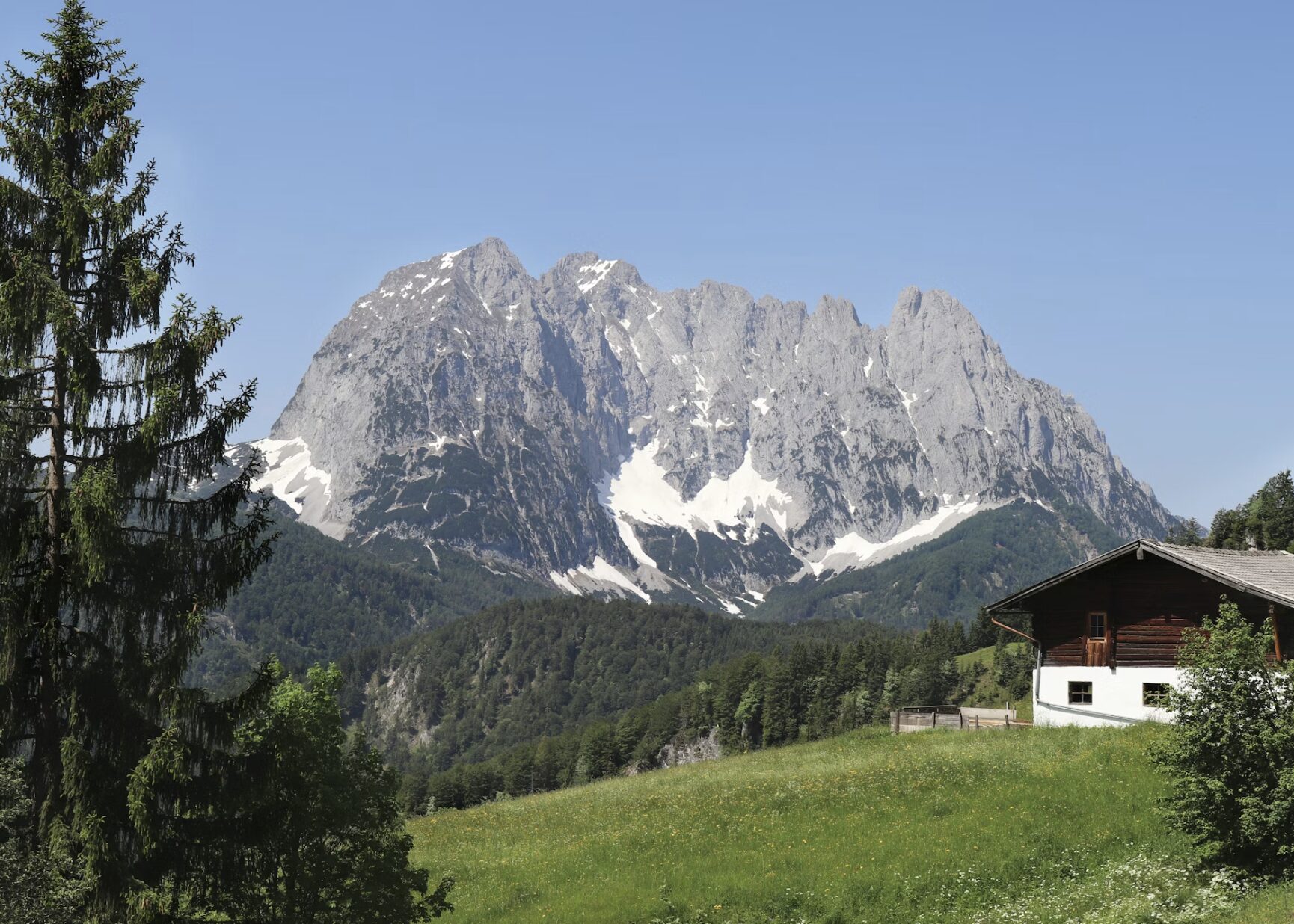

Promoting innovation and tradition: Solutions for climate change adaptation in mountains
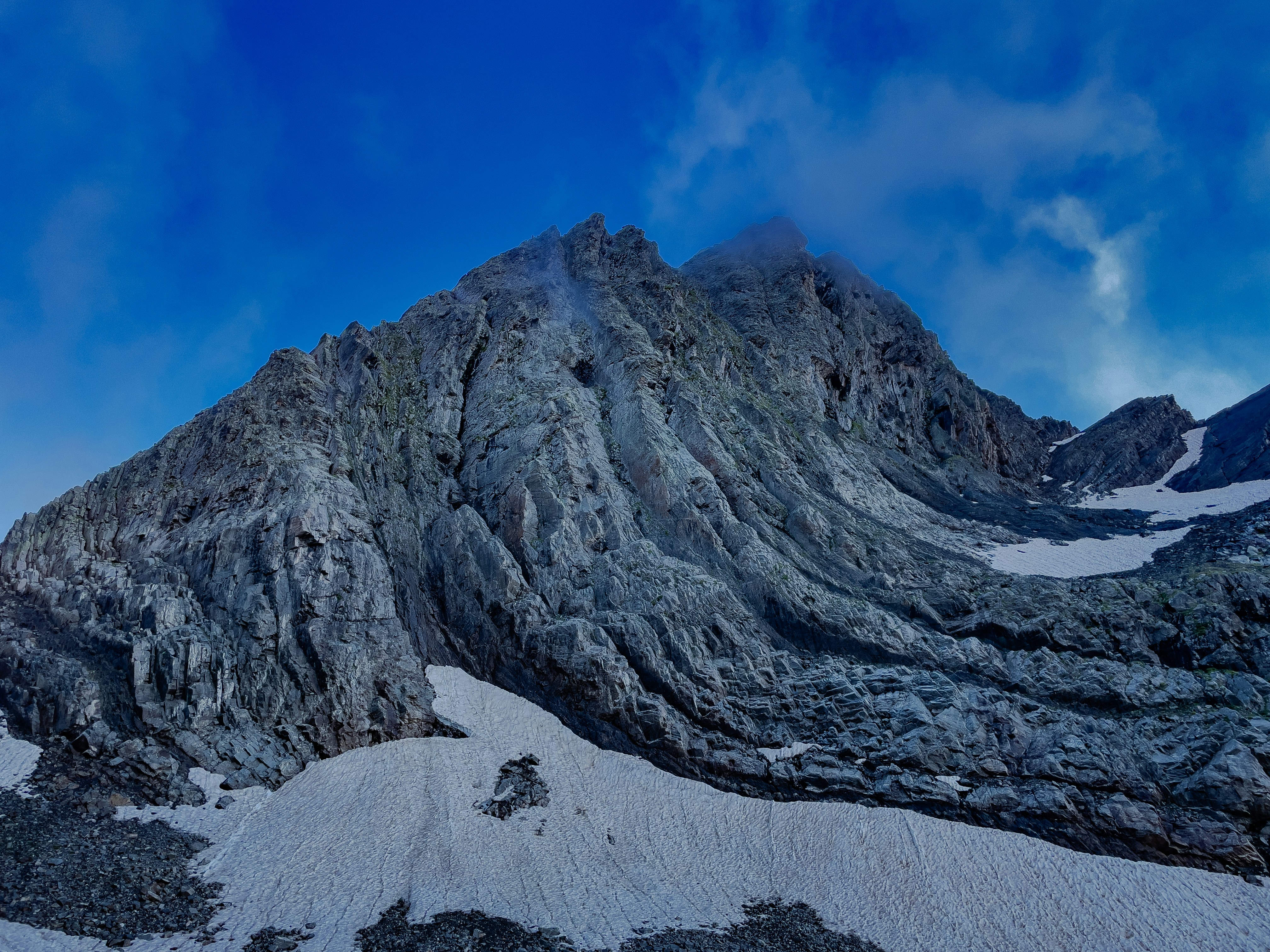





Melting Heritage: Adapting to a changing snow and ice cover in the South Caucasus


A@A Knowledge Network: Harnessing nature-based solutions for adaptation in mountains


Mountain Ecosystems for a Resilient Future: Policy Pathways under the CBD and UNFCCC

Comments
There is no content