How technology is helping communities across the globe adapt to climate change

This article was originally published on the UNEP website, and can be accessed here: How technology is helping communities across the globe adapt to climate change. Please access the original text for more detail, research purposes, full references, or to quote text.
As the planet heats up, and the impacts of climate change hit ever harder, supporting vulnerable communities to adapt to the new reality is becoming more crucial, say experts. Even if the world does rapidly cut greenhouse gas emissions – which it is not – high temperatures and climate instability will persist for decades.
Climate technology is central to adaptation – allowing communities to, for example, predict and prepare for floods and droughts. A UN-led initiative is showing how much of a difference this can make to people’s lives. The Adaptation Fund Climate Innovation Accelerator (AFCIA) has been fostering climate technology innovation in developing countries for five years, with the UNEP Climate Technology Centre and Network (CTCN) and the United Nations Development Programme (UNDP) running the first phase.
The first impact report of the CTCN-led efforts shows concrete results. With funding of only US$5 million, the efforts have directly benefited over 200,000 people, and indirectly benefitted over 2 million people, through 25 projects in 23 countries across four continents.
The first phase was so successful it led to expansion, with more implementing partners and projects in the second phase – the CTCN alone will be running more than double the number of projects with double the budget. Through the efforts of AFCIA, innovative best practices are spreading across communities and nations – showing that even small efforts can add up to something world-changing.
Farmers harness AI to weather climate shocks
Nepal – with support from the CTCN, technical partners RMSI and The Small Earth Nepal – introduced an early warning system in the communities of Rainas, Bhojpur and Sarlahi.
Using artificial intelligence and over 30 years of local weather data, the system generates three-day forecasts, seven-day forecasts and seasonal outlooks, which it translates into advice on when to sow, irrigate, fertilize, control pests or delay the harvest.
Farmers choose how they receive the guidance, with most preferring SMS. Every three days, the messages arrive automatically, and the impact is immediate.
“Everyone gets the message now,” said farmer Sarala Chhetr. “No one’s crops get spoiled anymore. The flood can’t damage them, can’t spoil them, can’t carry them away.”
Malawi saves lives, using digitization and AI to understand flood risks
Backed by the CTCN and Water Insight, Malawi’s Department of Climate Change and Meteorological Services (DCCMS) has trained over 100 rainfall and water observers to digitize their observations, which previously were made on paper and collected monthly. The old system led to delays in forecasting and decision-making – including during Cyclone Freddy, which battered Malawi two years ago.
The data is sent daily and collated into a national online platform called Blue IQ, using artificial intelligence to provide government agencies with near real-time data.
“If it’s not heavy rains damaging crops, then it’ll be a drought or prolonged dry spells,” said Amos Mtonya, Deputy Director of the DCCMS. “Getting data in near real-time is transformative. It sharpens our long-term forecasts, but more crucially, it enables us to identify vulnerable areas quickly and position aid effectively – ultimately, helping us save lives.”
As drought sets in, farmers in Saint Kitts and Nevis turn to technology for help
The CTCN, with tech company HR Wallingford and the Saint Kitts and Nevis Department of Environment, developed a system that can forecast droughts and predict groundwater availability.
The system analyses data collected from satellites and remote monitoring stations, producing a drought risk map. The Saint Kitts and Nevis’ Met Office relays the forecast to farmers over WhatsApp. So-called extension officers then visit farmers and advise them on when to plant.
“Leveraging climate technologies – such as advanced weather forecasting systems – is essential to safeguard lives and protect crops in the face of natural disasters,” said Ariesta Ningrum, Director of the CTCN.
Circulating high-tech warnings in Georgia, so wildfires do not spread
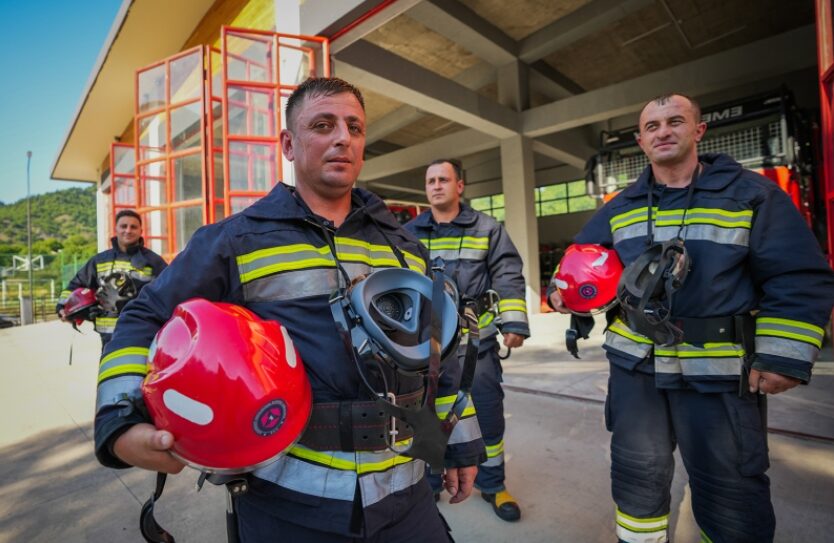
The Borjomi-Kharagauli National Park in Georgia is a vital ecological asset, teeming with biodiversity. However, Georgia faces an increasing risk of wildfires due to rising temperatures and seasonal water scarcity, endangering plants, animals, people and the local economy.
CTCN supported the government to develop an early warning system, which deploys solar-powered monitoring towers, connected through a network so they can communicate. The information gathered informs a new disaster management protocol, which includes an evacuation plan for communities living near the park.
“Protecting our forests is not just an ecological necessity. It’s a national priority,” said Masho Khakhnelidze, Head of the Climate Change Division in Georgia’s Ministry of Environment. “Early detection saves time and protects lives.”
About the UN Climate Technology Centre and Network (UN CTCN)
The CTCN is the implementation arm of the Technology Mechanism of the UN Framework Convention on Climate Change, hosted by the UN Environment Programme (UNEP). The Centre promotes the accelerated transfer of environmentally sound technologies for low-carbon, climate-resilient development at the request of developing countries.
Further resources




TENDHIS web application, “Historical precipitation and temperature trends” from SENAMHI, Peru
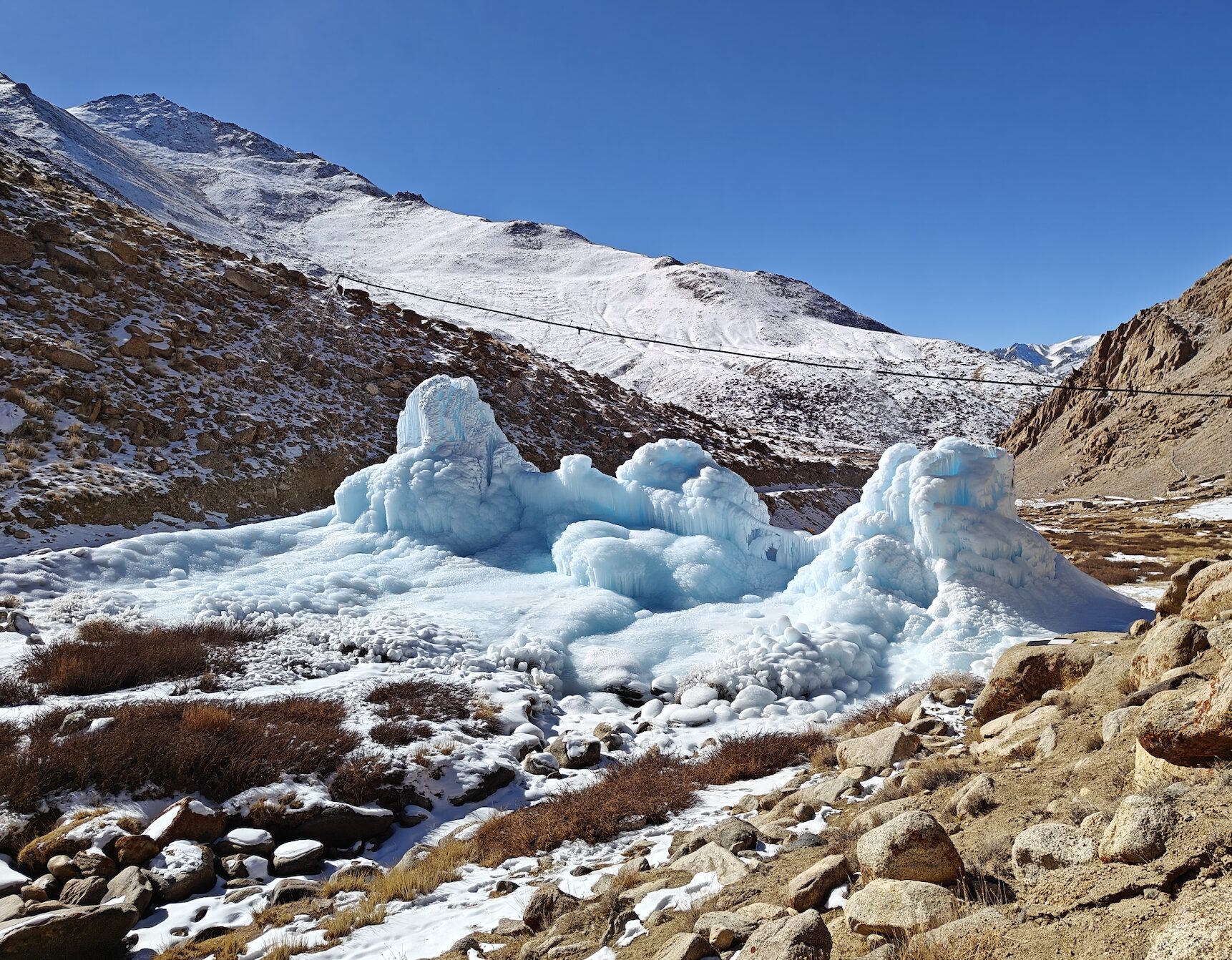

Automated Ice Reservoirs (AIRs) for Climate-Resilient Water Security in High-Altitude Communities
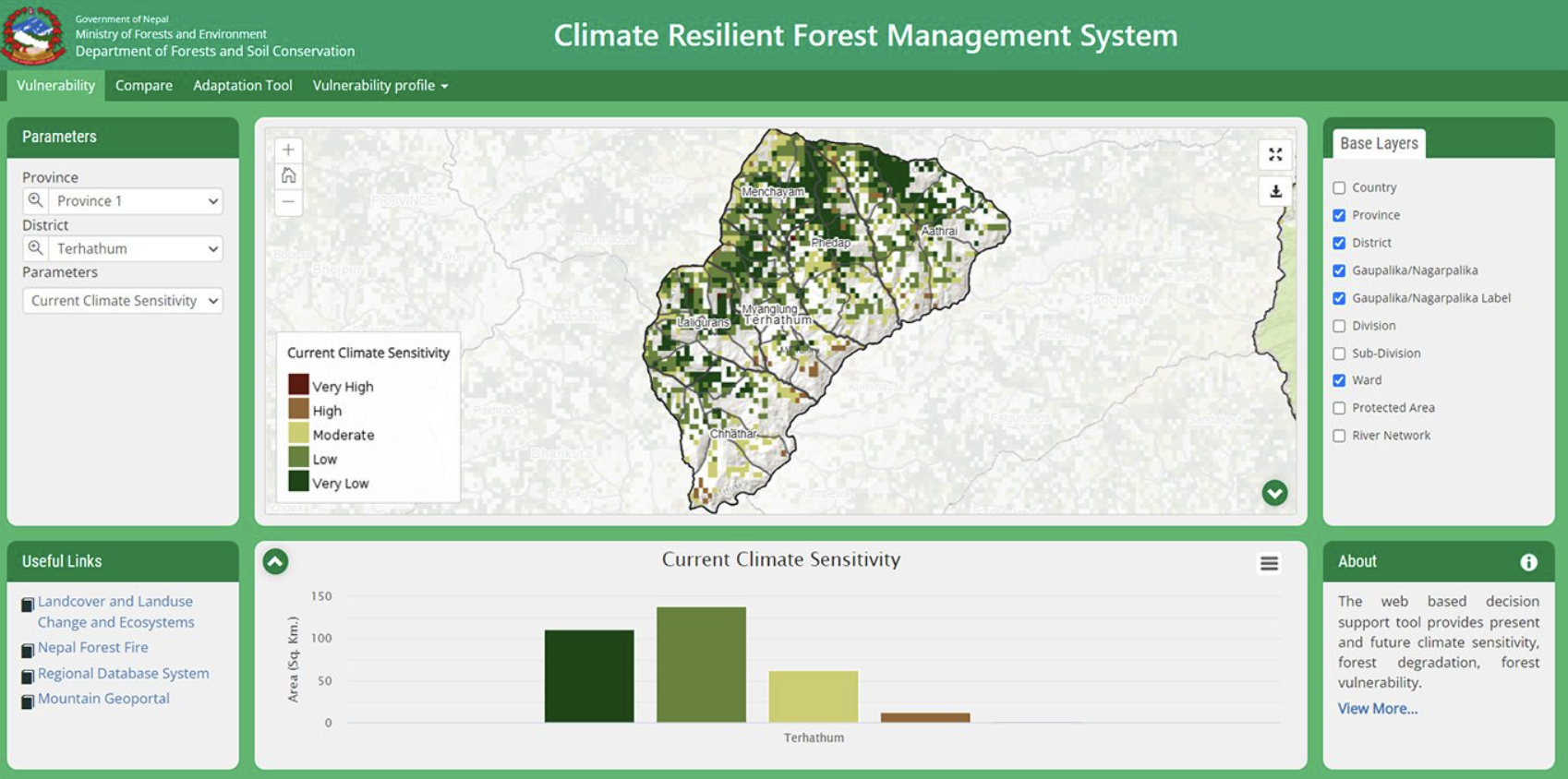



Managing forests for climate resilience in Nepal


From monitoring to resilience: Cryosphere information services in Central Asia
Comments
There is no contentYou must be logged in to reply.