
Policy brief: Towards systemic disaster risk reduction in mountains



Introduction
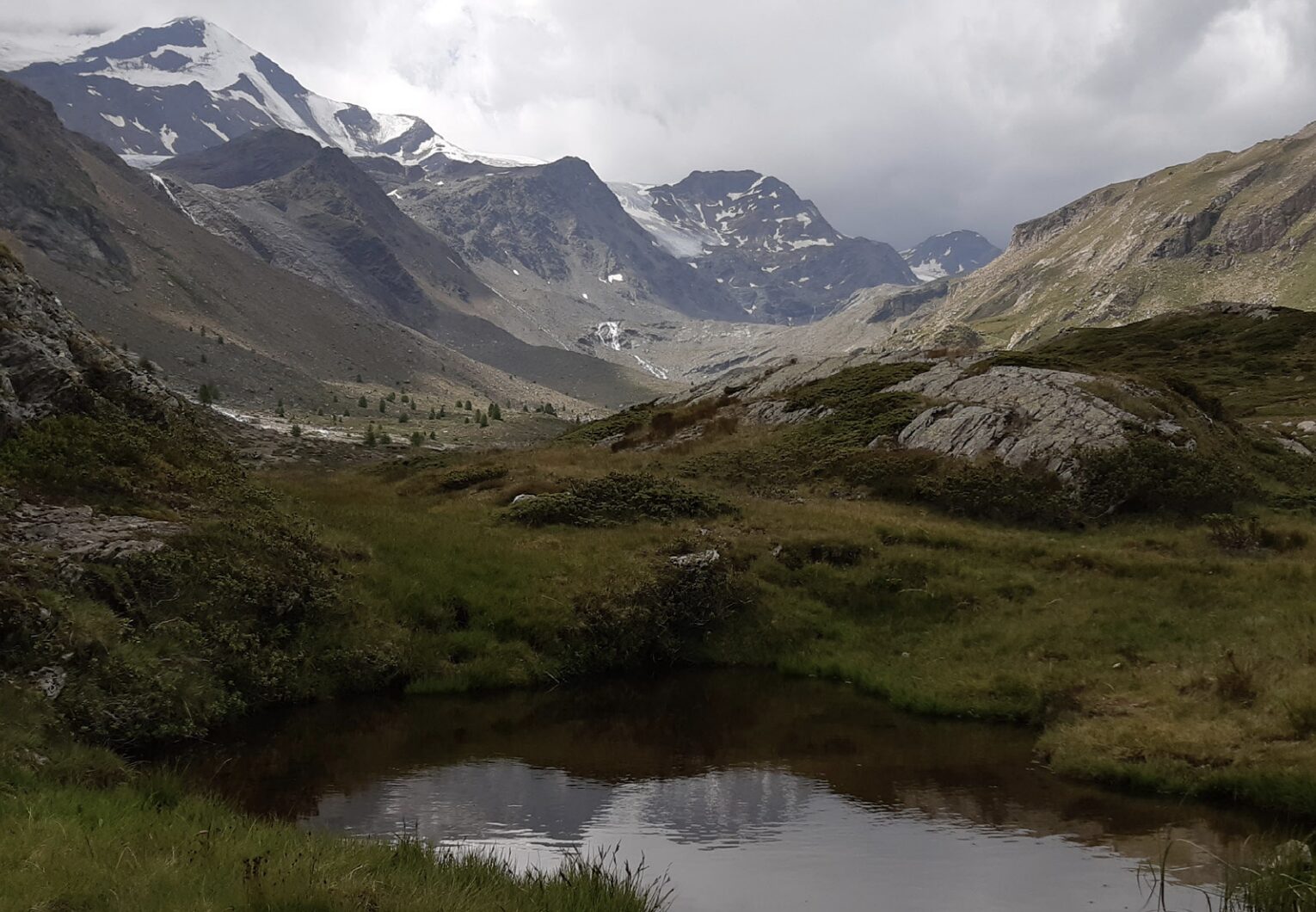
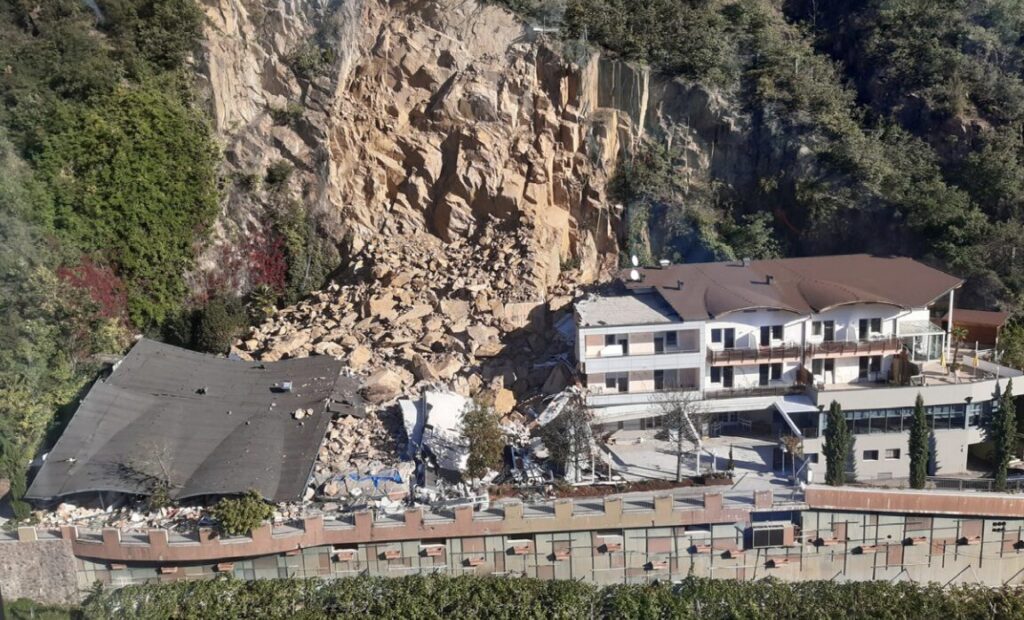
Mountains are multi-risk areas due to complex interactions between natural and socioeconomic factors. These multiple risks can manifest locally but can also have severe impacts in distant lowland areas, thus requiring coordinated approaches across sectors and regions. Moreover, mountain risks are embedded in the specific natural, cultural, social and economic contexts of mountains, which call for local knowledge and livelihood options that can adapt to and reduce exposure to these risks.
This publication explores these complex interactions and provides key messages and recommendations to address current and future challenges.
This article is an abridged version of the original text, which can be downloaded from the right-hand column. Please access the original text for more detail, research purposes, full references, or to quote text.
Key messages
- Disaster risk reduction (DRR) and adapted disaster management in mountains is also of great importance for lowlands.The majority of hazard risks in mountain regions are linked to the specific characteristics of mountain social-ecological systems. Addressing risks in mountain areas must use a systems approach where such specific characteristics are considered together with their functional links to lowland areas. As the world and our societies become more globalized and interconnected, so are interdependencies between highlands and lowlands becoming even more pronounced resulting in a need for a holistic, systems-approach to DRR efforts to better meet the complex challenges of compound and cascading risks.
- Processes leading to increased risks in mountain systems and livelihoods are anthropogenic and embedded in broader systemic processes. Bio-physical hazard processes are often the focus of DRR activities, but they represent only one component of risk, and must be considered together with the equally important aspects of exposure and vulnerabilities when attempting to reduce harmful impacts. The components of exposure and vulnerability of communities and their livelihoods are strongly linked and driven by societal processes and the social frameworks that influence how hazards affect people. A systemic approach explicitly includes the integration of climate change adaptation with disaster risk reduction at all levels of decision making of climate-resilient development.
- Local knowledge on disaster risk, communities’ risk perception and existing risk preparedness measures should be translated and integrated into DRR processes and policies. Development activities in mountains are still too often dominated by Western narratives that sometimes obscure indigenous, local knowledge and ignore the cultural and spiritual importance of specific mountain areas. Therefore, ‘‘localization’’ of research, development and policy-making activities is fundamental to transformative resilience in mountain regions, and local actors must take the lead in re-designing existing governance structures.
Read the key messages in more detail on pages 6-11 of the policy brief.
Recommendations
- Risk management in mountain regions should not be limited to administrative units (e.g. municipality, province) and should consider the interactions and cascading impacts between highlands and lowlands with gender responsive approaches.
- Especially when addressing mountain risks, countries need to cooperate more extensively and effectively by sharing data, information, and scientific and indigenous knowledge, and by fostering transboundary disaster risk reduction practices.
- There should be increased investment in nature-based solutions for adaptation and disaster risk reduction in mountains as a solution to integrate local knowledge and to address systemic risks.
- Measures for climate change adaptation and disaster risk reduction in mountain areas should be planned, managed and implemented by considering multiple goals.
- Institutions and governments urgently need to adopt a standardized, multihazard risk assessment approach that can explicitly account for mountain-specific vulnerabilities and resilience. Such an approach should address primary, secondary, and cascading hazards as well as direct and indirect impacts.
- Greater inclusion of risk perception and social aspects should be integrated in disaster risk reduction processes and policies in mountains, which allows for the development of more comprehensive measures combining scientific and local knowledge.
- People-centered, impact-based Multi-Hazard Early Warning Systems (MHEWS) and related Early Action or Anticipatory Action (AA) must be tailored to the specific conditions in mountainous regions to become effective
instruments of DRR and resilience-building. - Ensuring equitable risk reduction in mountain regions requires an understanding of how risk perceptions vary between gender and social groups.
Suggested citation:
Schneiderbauer, S., Fontanella Pisa, P., Delves, J.L., Szarzynski, J., Bustillos Ardaya, A., Terzi, S., Pedoth, L., Mandira Singh S., Adler, C., Alcántara-Ayala, I., Mackey, A. and Simonett, O (2023). Towards systemic disaster risk reduction in mountains. Available at: http://collections.unu.edu/view/UNU:9271#viewMetadata
Further resources



Leave No Mountain Behind: Disaster Risk Reduction for All

Strengthening Climate Resilience in Mountainous Areas
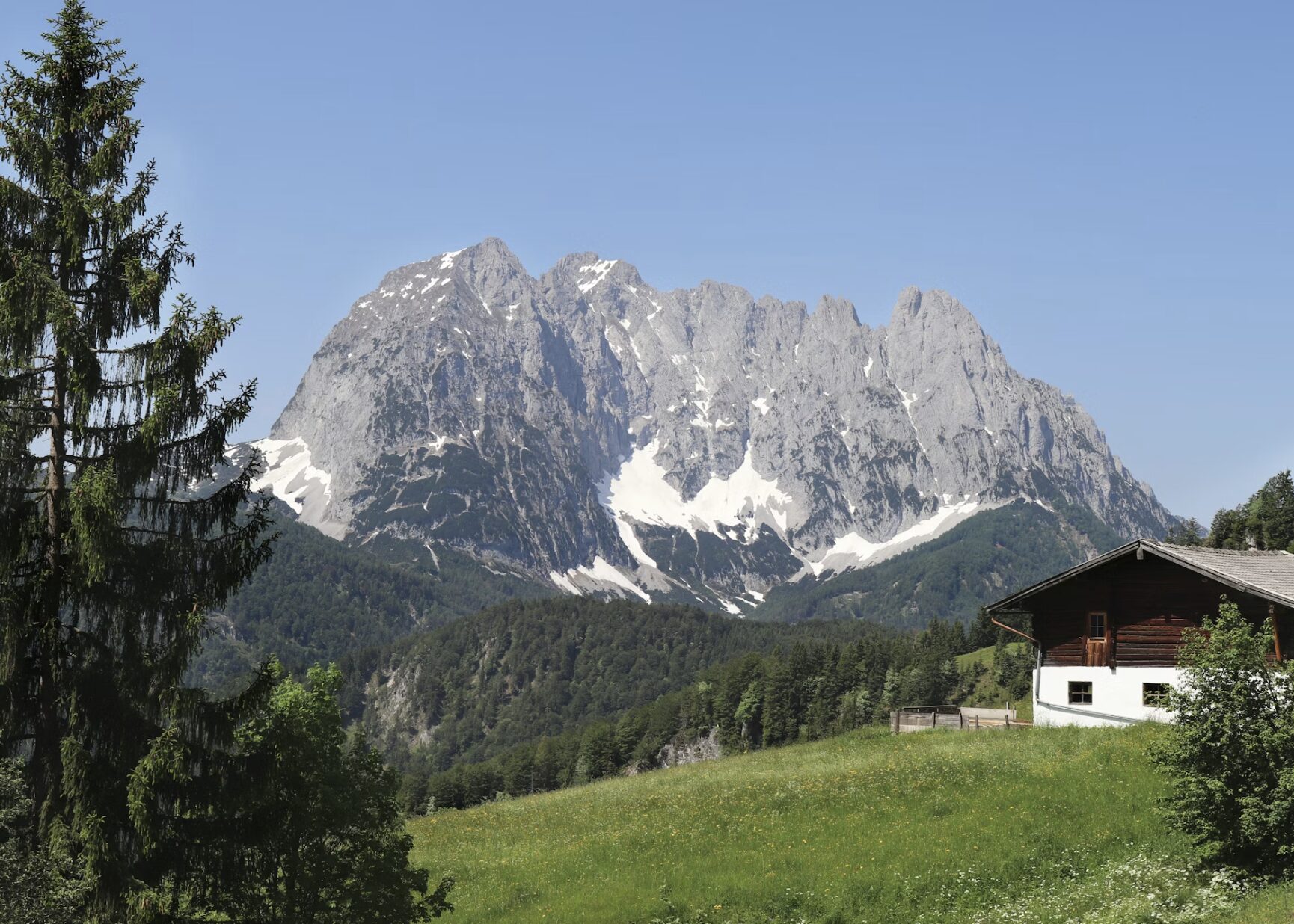

Promoting innovation and tradition: Solutions for climate change adaptation in mountains
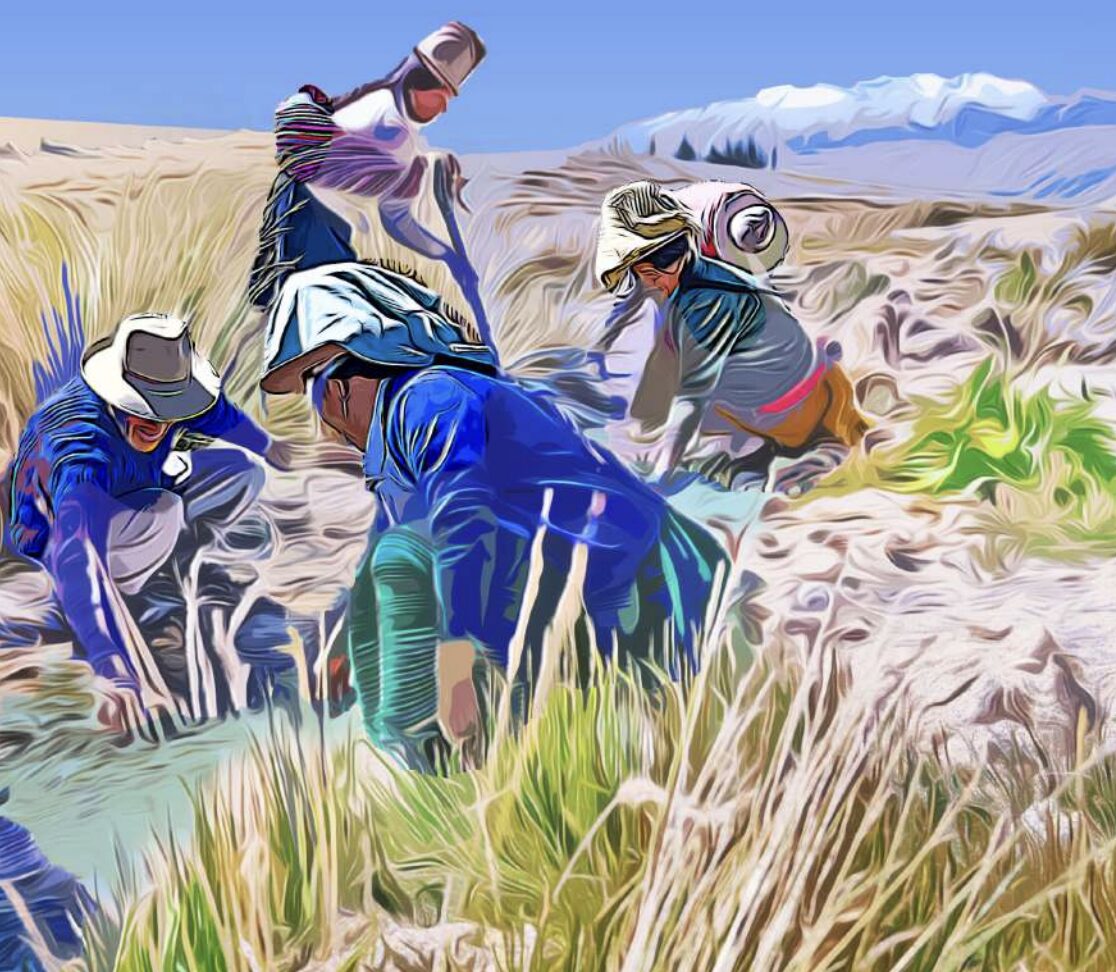


Adaptation Solutions: Climate Resilience in the Andes
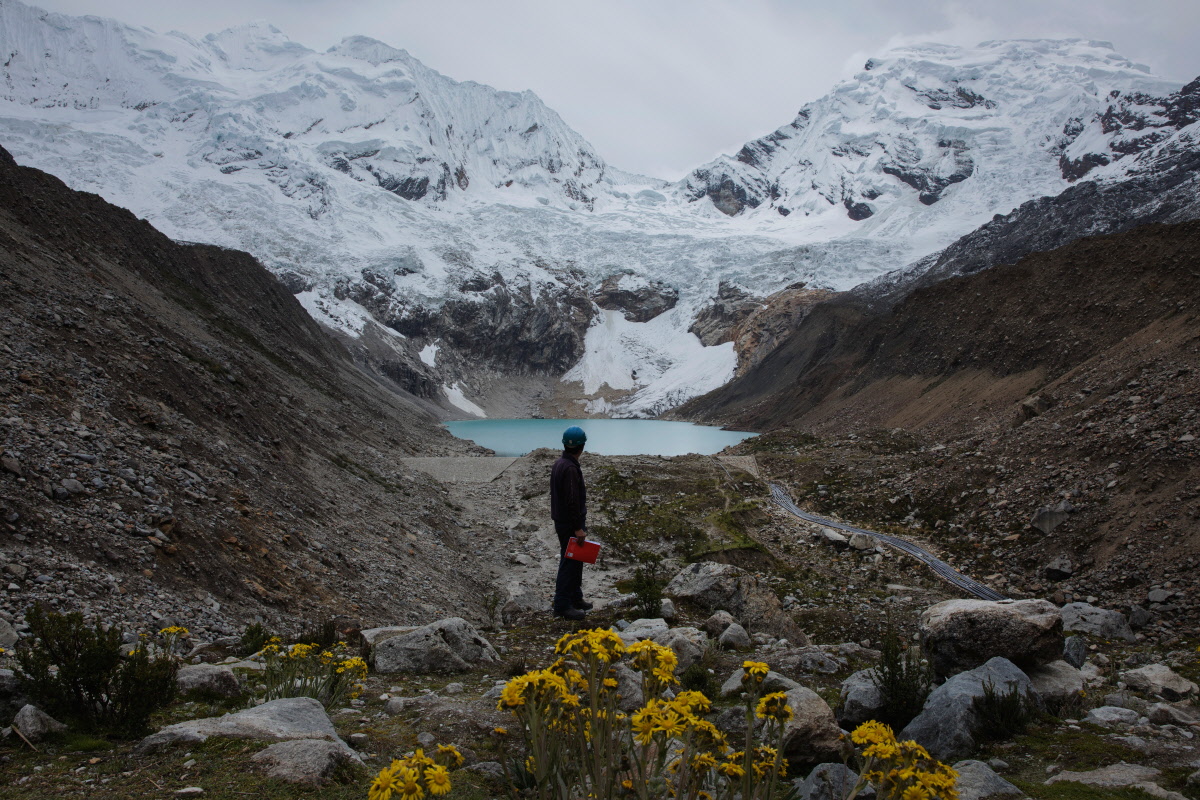


Managing risks from Glacial Lake Outburst Floods: Key recommendations and solutions


Comments
There is no contentYou must be logged in to reply.