
Law of Georgia on Development of High Mountainous Regions (No. 4036-RS)


Summary
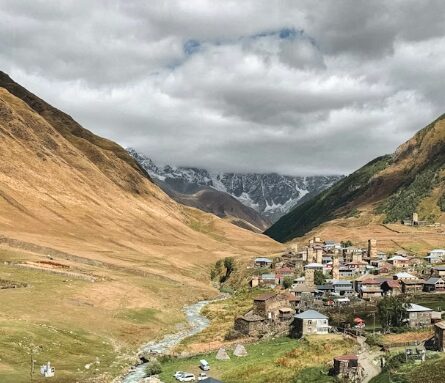
This law works to improve the socio-economic problems of inhabitants of mountains by providing financial benefits to improve well-being, raise living standards, promote employment and, indirectly, prevent out-migration.
People residing in mountainous areas face significant challenges due to the rugged conditions, including a lack of access to basic infrastructure and job opportunities. These issues are exacerbated by climate change, worsening natural hazards, negatively impacting agricultural production, and threatening existing infrastructure. In order to offset these challenges and ensure that mountain areas are still inhabitable, this law was introduced to create financial incentives to continue living in mountain areas.
This solution may be of interest to Members of Parliament or decision-makers from countries with populations living in mountain areas who may face economic challenges and impacts from climate change.
Overview
- Location:
- Implementation sites:
-
- Single country
- Multiple locations
- Mountain region:
-
South Caucasus
- Solution scale:
- Ecosystem type(s):
- Solution type(s):
- Climate impact(s) addressed:
- Climate impact time-scale(s):
- Main benefit associated with the solution:
- Co-benefit(s) associated with the solution implementation:
- Implementation timeline:
-
- 2015
- Sendai targets:
-
- SDGs:
-
-
Solution details
Main beneficiaries & outcomes
Recognizing that the socio-economic barriers to people living in mountain areas was causing out-migration and increased financial burden on residents, the law aims to directly address these issues with supplementary income. Permanent residents of mountain areas receive supplements and 50% of the cost of electricity is reimbursed. There are additional supplements provided to medical personnel, teachers and sports coaches, as well as families with children and those who reach retirement age. These include:
- A 20% supplement to the state pension is granted to those in retirement age.
- Medical personnel employed receive a monthly bonus (in the amount of the state pension).
- Facilitated provision of heating during the winter period (15 October – 15 April).
- Compensation of 50% of monthly charges for electricity consumed.
- A contribution of monthly cash assistance for the birth of the first child and the second child.
- The provision of a bonus for teachers of at least 35-50% (for certain programmes) of their basic remuneration.
- The provision of an increased number of vouchers to pupils.
Planning and implementation
This law aligned with an overarching strategy and action plan for the development of highland settlements, which aimed to improve living and working conditions and promote socio-economic development. The law is the tool to implement these goals for socially and economically vulnerable communities and enhance the development of mountain areas and the country overall. However, it has been criticized for its low level of involvement of local self-government bodies in the decision-making process.
The law has been followed up by other specific measures, such as ordinances for promoting entrepreneurial activities and tourism or Georgia’s Forest Code, which target other specific challenges and complement the legislation.
Finance
N/A
Innovation
N/A
Capacities for design and implementation
Outlook & Scalability
Barriers and adverse effects
Initial reports on the efficiency of development of high-mountain settlements (including this law) point out some main issues with implementation. There was not a mechanism put in place to confirm that certain settlements follow the established criteria for being granted status as a high-mountain settlement, nor for monitoring the status of enterprises operating in high-mountain settlements. Further, there are technical challenges for ensuring that the electronic database on permanent residents in these settles is accurate, which creates risks for implementation. With these aspects, it is impossible to determine the impact of tax incentives on the development of entrepreneurial activity in high-mountain settlements.
Comments
There is no contentYou must be logged in to reply.