Melting Heritage: Adapting to a changing snow and ice cover in the South Caucasus






This article was originally published on the UNEP website here. Please access the original text from the featured document on the right hand side for more detail, research purposes, full references, or to quote text.
Background
The regional policy brief Melting Heritage: Adapting to a Changing Snow and Ice Cover in the South Caucasus identifies the need for improved monitoring and adaptation to declining snow and ice cover in the region, as well as stronger advocacy for affected communities. It draws on recent scientific knowledge and national data to assess the current state of snow and ice cover in the South Caucasus; reviews existing monitoring systems and data governance structures; identifies national policies and ongoing adaptation efforts; and provides recommendations to strengthen regional action.
This policy brief was developed as a regional output of the Regional Adaptation Dialogue in the South Caucasus (RADISC). The Dialogue was co-hosted by the United Nations Environment Programme and the Mountain Research Initiative and took place in May 2025 in Stepantsminda, Georgia, bringing together researchers, experts, policymakers, and practitioners from across the South Caucasus and beyond.
Both RADISC and this policy brief contribute to regional engagement in the observance of the United Nations International Year of Glaciers’ Preservation 2025 and the Five-Year Action Plan for the Development of Mountain Regions 2023–2027.
Summary
The Caucasus ecoregion is a transboundary mountain ecosystem recognized as a global biodiversity hotspot. In the South Caucasus, human-induced climate change is driving the second-highest rate of glacier ice loss globally in terms of total volume. Between 2000 and 2020, the region lost more than 23 per cent of its glacier area. If current warming continues, most glaciers could disappear by 2100. Glaciers in the South Caucasus exhibit above average sensitivity to even slight temperature increases. Climate projections suggest average regional warming could exceed 4.5°C by 2100 under current emission scenarios. The region’s glaciers and snow cover are expected to respond more rapidly to warming than in other regions, making the effectiveness of global climate policies critical in determining the region’s future snow and ice cover.
Given this vulnerability, it is essential to promote research activity and advocacy efforts with outcomes that are suited to the South Caucasus. Furthermore, it is necessary to improve monitoring, data governance and experience sharing among scientists and practitioners in the South Caucasus, and to strengthen the generation of local knowledge and access to technology through international exchange. Programmes and incentives are needed to build capacities especially with young researchers and practitioners to ensure regional expertise on the cryosphere. There is a need for universities and other academic institutions to establish and strengthen a sustained academic system for monitoring, studying, teaching and learning about the cryosphere and related issues.
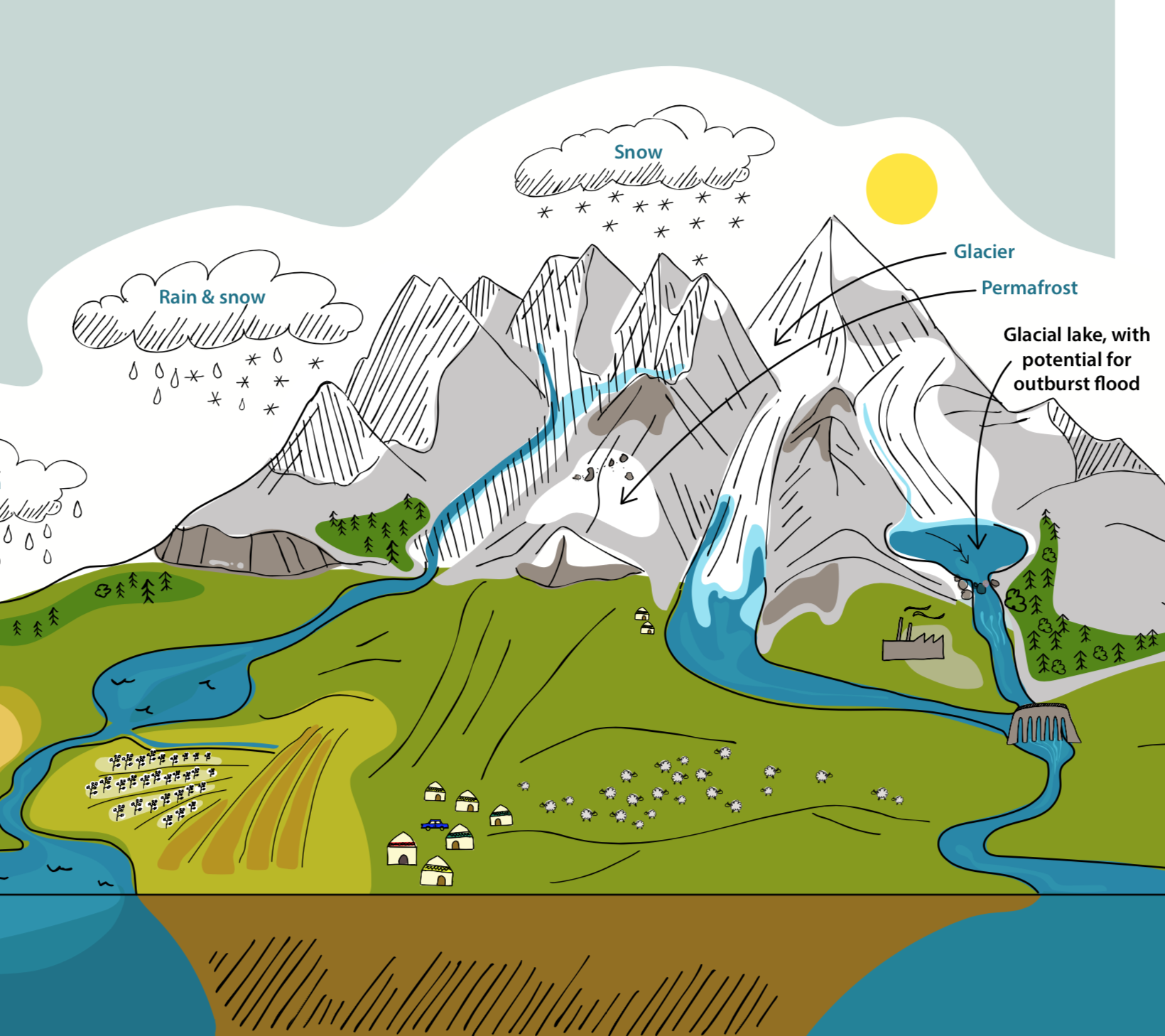
In situ monitoring remains limited in the region, particularly for glaciers, snow cover, and permafrost, despite its role in the management of hazards such as floods, flash floods, landslides, rock and ice falls, glacial lake outburst floods, and glacial mudflows, as well as for water storage. Comprehensive glacier, snow, and ice inventories, along with improved and coordinated monitoring efforts, are urgently needed to address these limitations. These efforts would form the foundation for understanding key dynamics of the cryosphere, and for guiding adaptation policies. Policy frameworks need to better reflect both current and anticipated cryosphere changes under different climate scenarios. Integrating snow- and ice-related vulnerabilities into national climate and development policies and establishing a framework for climate-related loss and damage are key steps. Future water availability across the South Caucasus will largely depend on changes in glacier and snow cover trends, with broad implications for ecosystems and downstream communities.
Finally, adopting evidence-informed and inclusive governance mechanisms, enhancing disaster preparedness, supporting locally led adaptation actions, integrating traditional knowledge and nature-based solutions, considering specific vulnerable groups, and protecting emerging peri- and post-glacial ecosystems will be vital to building resilience to cryosphere changes in the region.
Emerging needs and recommendations for building resilience to a melting cryosphere
The Policy Brief goes into detail on key facts about the changing snow and ice in the South Caucasus; existing monitoring and observation systems for snow and ice cover; data storage and governance structures; impacts of shrinking snow and ice in the South Caucasus; and national policies and ongoing efforts to adapt to snow and ice loss. The Policy Brief then highlights the emerging needs and recommendations for building resilience to a melting cryosphere include:
- Reducing greenhouse gas emissions
- Strengthening regional cooperation and transboundary governance
- Elevating the needs of the South Caucasus in global cryosphere studies and discussions
- Implementing enhanced in situ monitoring
- Developing integrated monitoring systems
- Improving monitoring methodologies and data coordination
- Adopting science-driven and inclusive governance mechanisms
- Training the next generation of cryosphere specialists
- Mainstreaming snow- and ice-related vulnerabilities into national policy frameworks
- Enhancing local preparedness for disasters
- Building a response framework for climate-related loss and damage
For in-detail information please access the Policy Brief from the featured document section on the right hand side.
Further resources


Mountains ADAPT: Solutions from the South Caucasus

Managing disaster risks and water under climate change in Central Asia and Caucasus
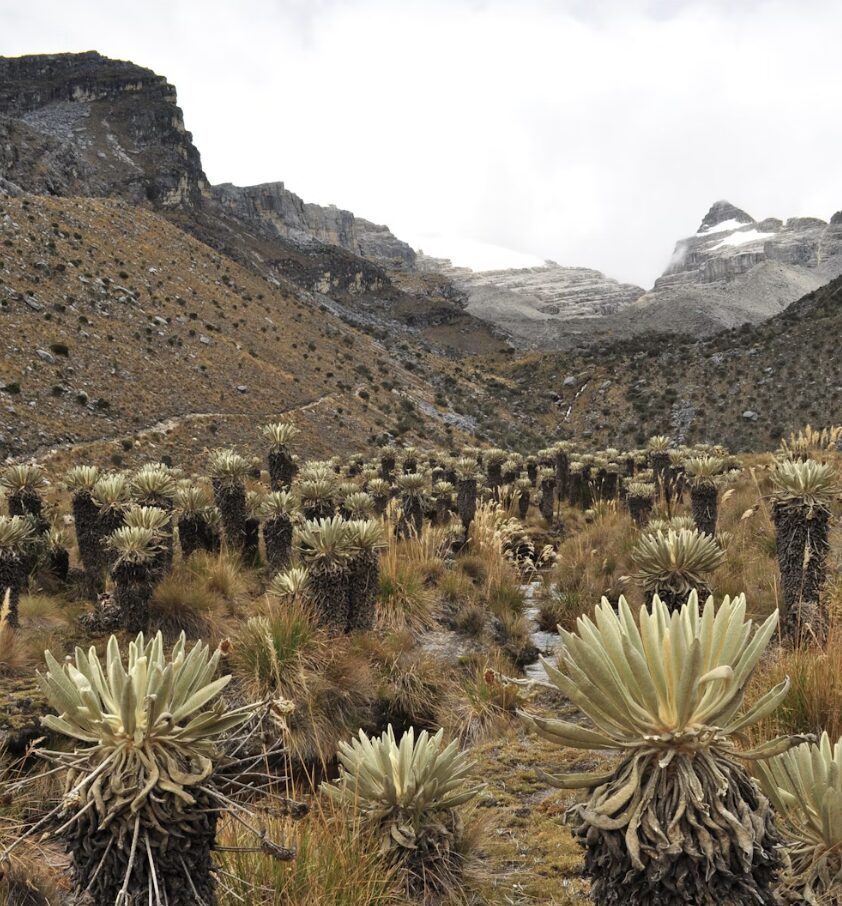



Meeting of Mountain Platforms of the Alps, East Africa and the Andes: Connecting Biodiversity Conservation and Climate Change Adaptation
Mountains Connect Interregional Workshop: Take-aways for interregional exchange, regional collaboration and advocacy for mountain areas
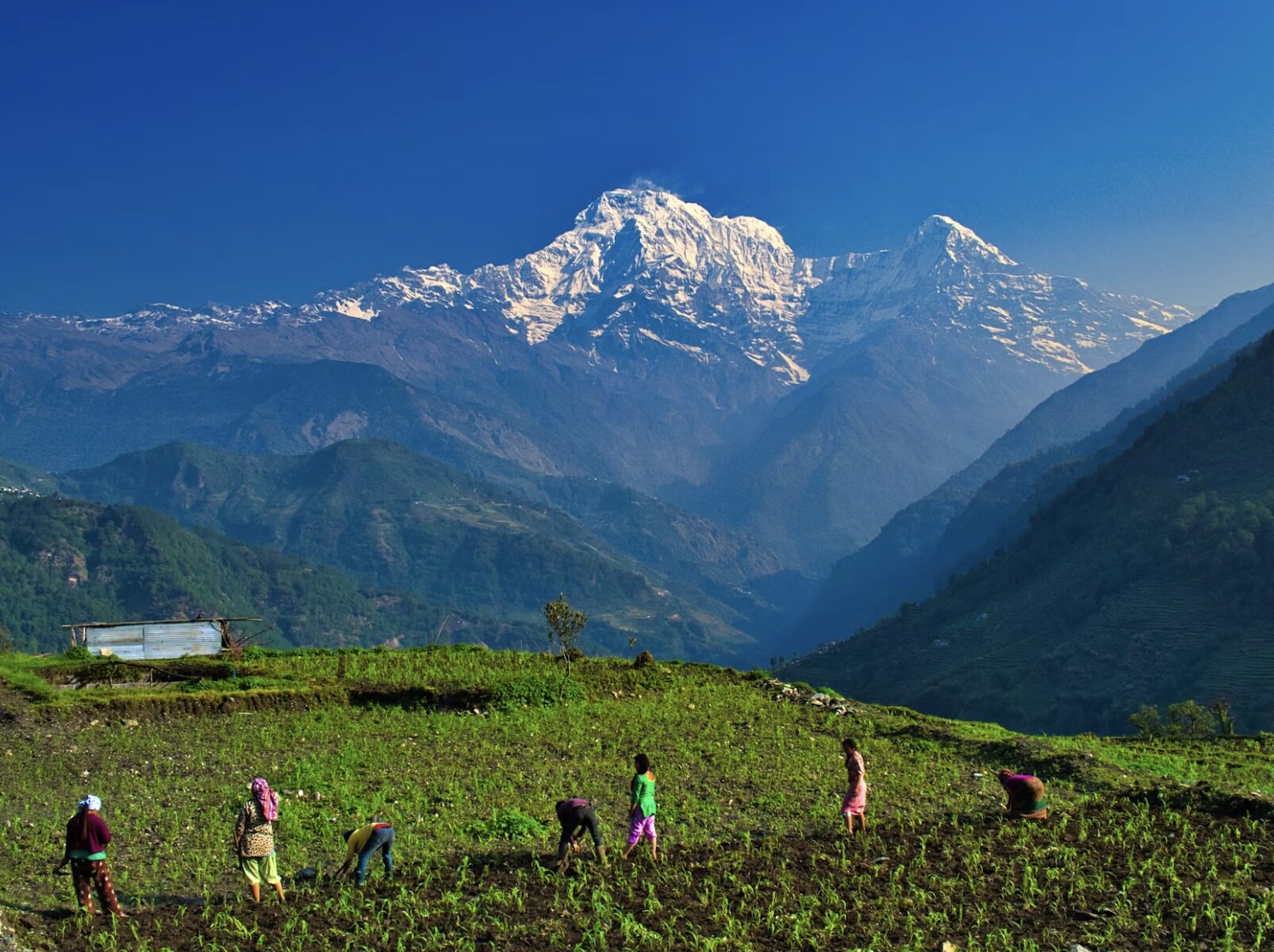

A@A Knowledge Network: Financing adaptation for mountain communities



Comments
There is no content