Redefining the meaning of “at a glacial pace”


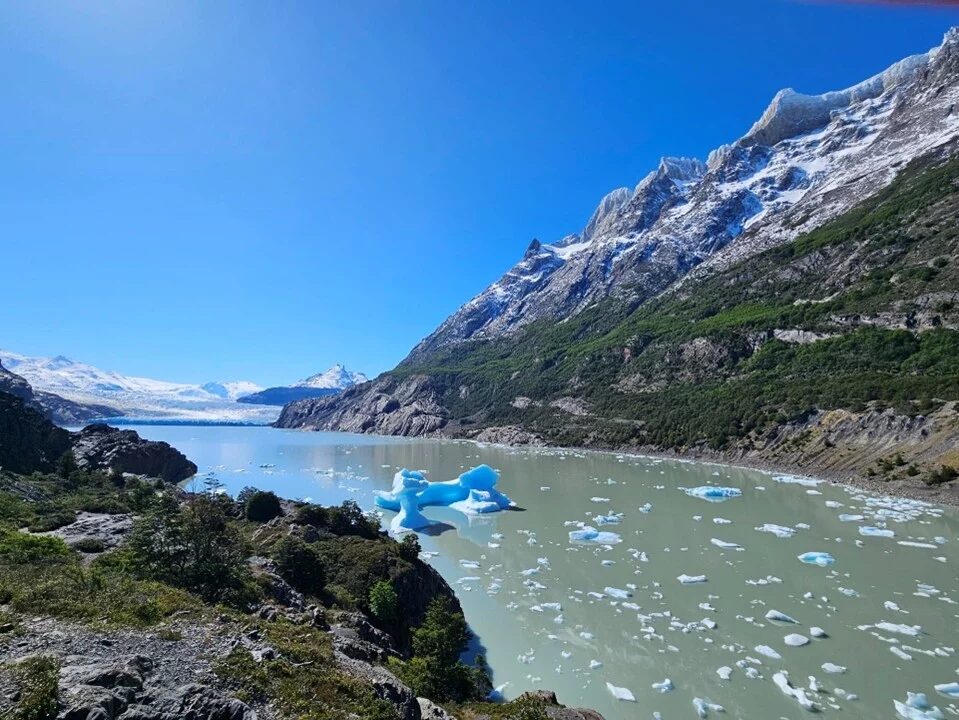
To highlight the UN International Year of Glacier Preservation, the Adaptation at Altitude programme is collecting and sharing stories from the glaciers to highlight peoples experiences with their local glaciers.
SEI Research Fellow Rosie Witton reflects on her lifelong fascination with glaciers and the potential for “last chance” tourism to the world’s rapidly retreating glaciers to help rouse support for actions limiting climate change. This perspective wraps up a series by the Adaptation at Altitude program to mark the UN’s International Year of Glaciers’ Preservation and World Day for Glaciers on 21 March.
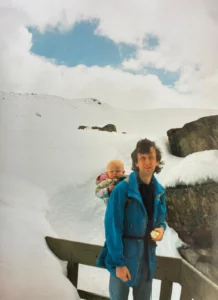
I saw my first glacier when I was around a year old. My parents took me to Banff and Jasper national parks in Canada. Though that adventure was documented by a photo of a little me in a lot of Canadian snow, I do not remember the experience.
Nevertheless, in the years since, glaciers became a source of fascination for me.
When working on my undergraduate degree in Physical Geography, I studied glaciology. I vividly remember bus trips through Wales and New Zealand playing “spot the geological feature” games that taught us to identify locations where glaciers had been. Once I learned how to spot these features and “scars” on the landscape, I realized that glaciers have shaped far more of the world than one might otherwise think.
But I notice these impacts only because I learned about them.
Feeling glaciers’ power
I have since had the good fortune to be able to see multiple glaciers on four continents. Each trip – and perhaps, subconsciously, even that first one – made a lasting impression, showing me how climate change is impacting glaciers, and all of us who see them.
Two features of these visits stand out.
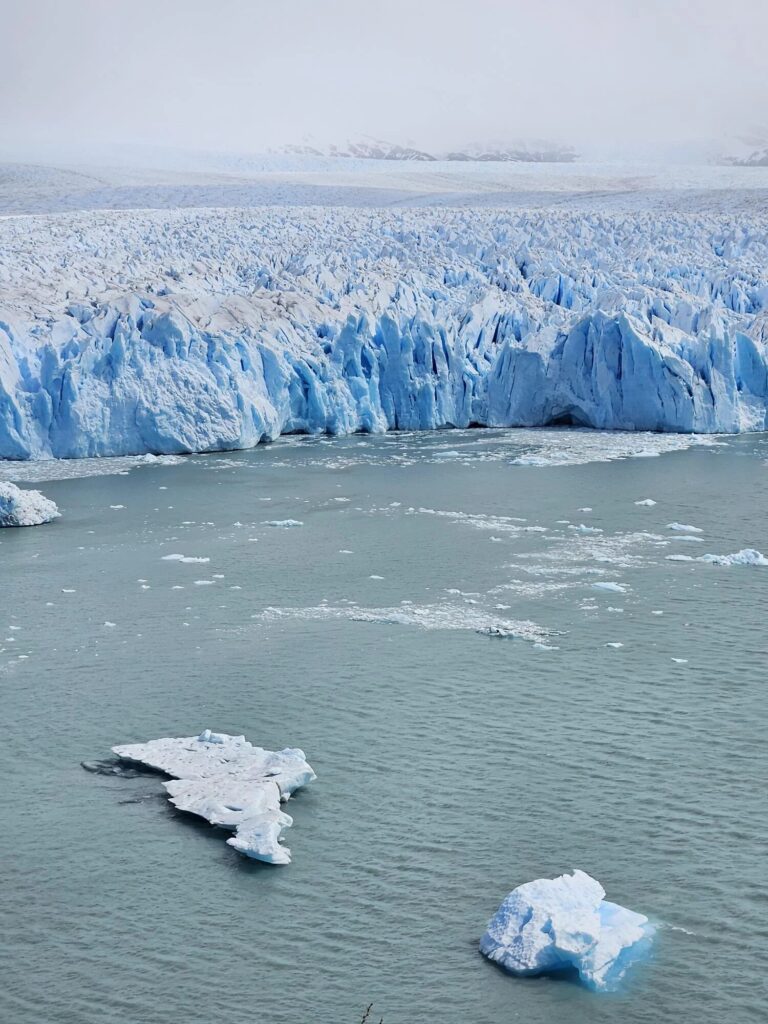
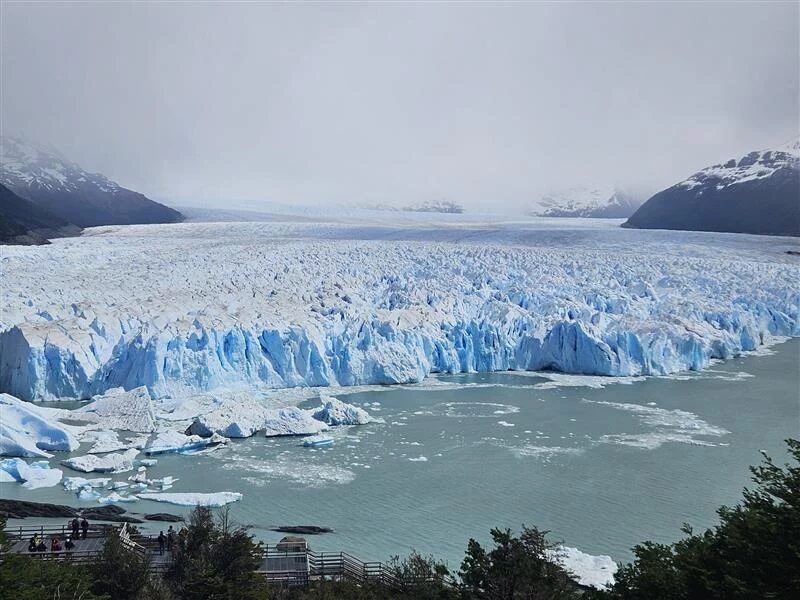
The first is the power and size of the glaciers. My most recent visit to the Perito Moreno glacier in Los Glaciares National Park, Argentina, provides a case in point. Upon arrival at the Perito Moreno glacier, we were told that approximately every 20 minutes we would hear and maybe see part of the glacier fall into the lake. While I was there it felt like more often than every 20 minutes that you could hear a loud cracking noise and then a splash, as chunks of the glacier fell off. Everyone was stopping to watch and see if they could spot where there had been a fall. I couldn’t look away.
Conveying glaciers’ importance
The second is the undertapped power of glaciers to educate visitors. So many tourists do not understand the impacts of climate change on the glaciers they are seeing – or the impacts of the melting glaciers on local communities and the wider world. Some locations provide clear tours and offer talks about glacier retreat and impacts of climate change, helping visitors learn and leave with a deeper understanding of the context. But in many places, the information is limited, easy to miss, and out of date. Some signs of information are posted, but they tend to focus on general facts, without highlighting glacial change, glacial impacts and links to climate change.
The Perito Moreno glacier, a key tourist attraction in Los Glaciares National Park that received nearly 700,000 visitors in previous years, has large viewing platforms, walkways, and guided boat trips to give visitors a chance to get up close to the glacier and see it from different perspectives. Though there are some signs along the walkway and viewpoints about the glacier, many visitors passed them by, or they only stopped for a brief time. The Glaciarium – an interactive museum designed to resemble a giant ice floe – in nearby El Calafate, provides more detailed information, but its section on climate change is small. This even though recent research indicates that the Perito Mereno glacier — once one of Patagonia’s few stable glaciers — is now “in sudden and probably irreversible retreat”. The sounds I heard as pieces of its ice plummeted into the ocean were warning calls for the world’s remaining ice.
Leveraging “last-chance” tourism
I travelled there with friends and spoke to others, who have not studied or worked on glaciers and climate change. When I spoke of glacier loss globally, the connections with climate change, and the wider impacts glacier loss could have on communities, they were shocked and surprised that they hadn’t considered that before.
Melting glaciers are now said to attract more tourists than ever – part of what has been called “last-chance” or “doomsday” tourism. A recent comment in Nature Climate Change has underscored the trend as a paradox, noting that “glacier landscapes might be loved to death by tourists who simply move on to the next popular destination once the glaciers are gone”. But it also recognizes that the emotions of seeing this “may encourage both pro-environmental behaviour and broader political mobilization”.
The most important story glaciers have to tell is the one about the impacts of climate change over recent decades and the consequences of climate change longer term. This should be the central plot line of all narratives where glaciers remain and where they have already vanished – as a siren call to the world. If people know more and engage with what they are seeing with their own eyes, perhaps they, too, will find themselves unable to look away.
Further resources
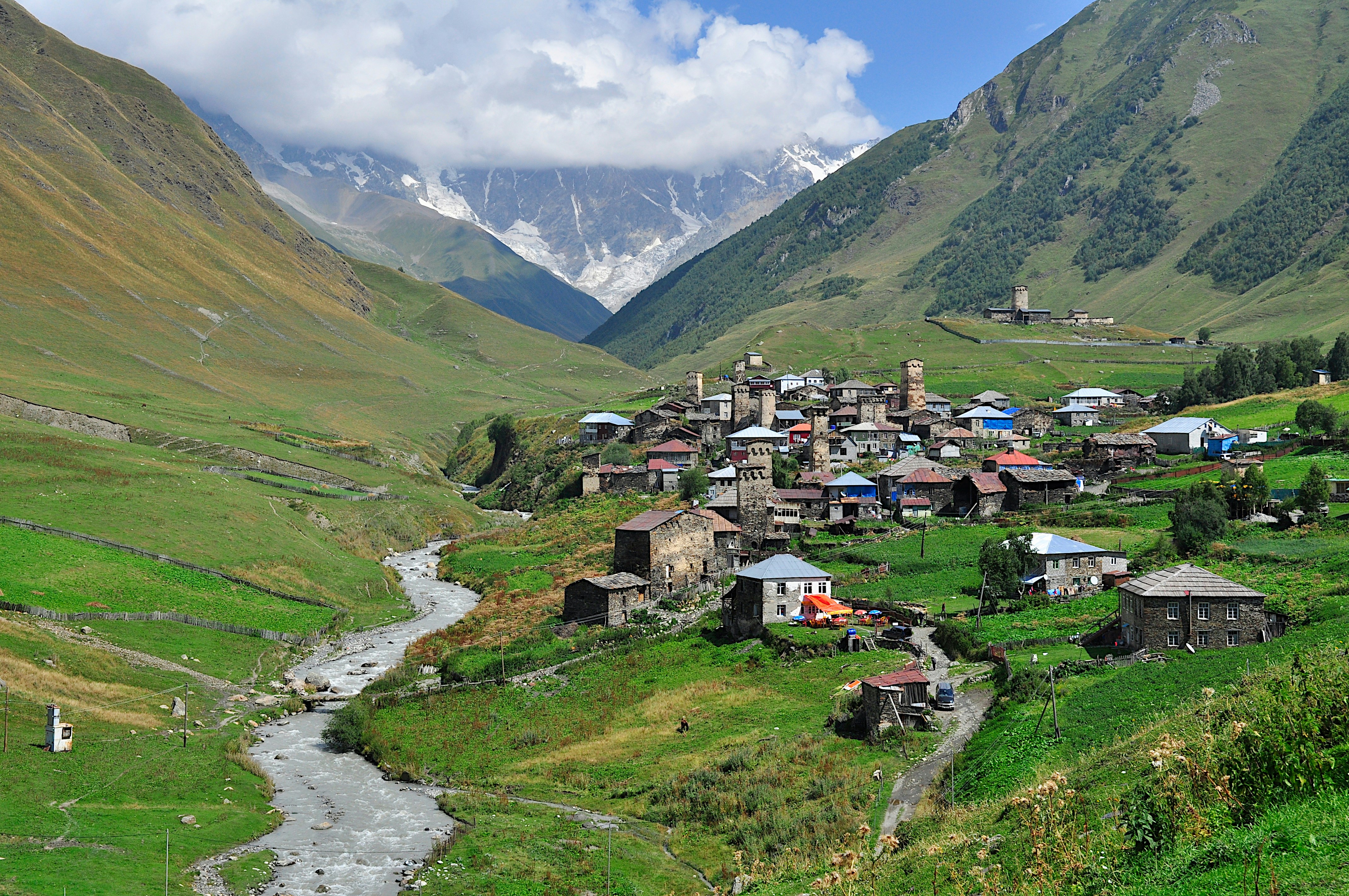

Glaciers in the spotlight: Channelling the voice of the fading Shkhara glacier
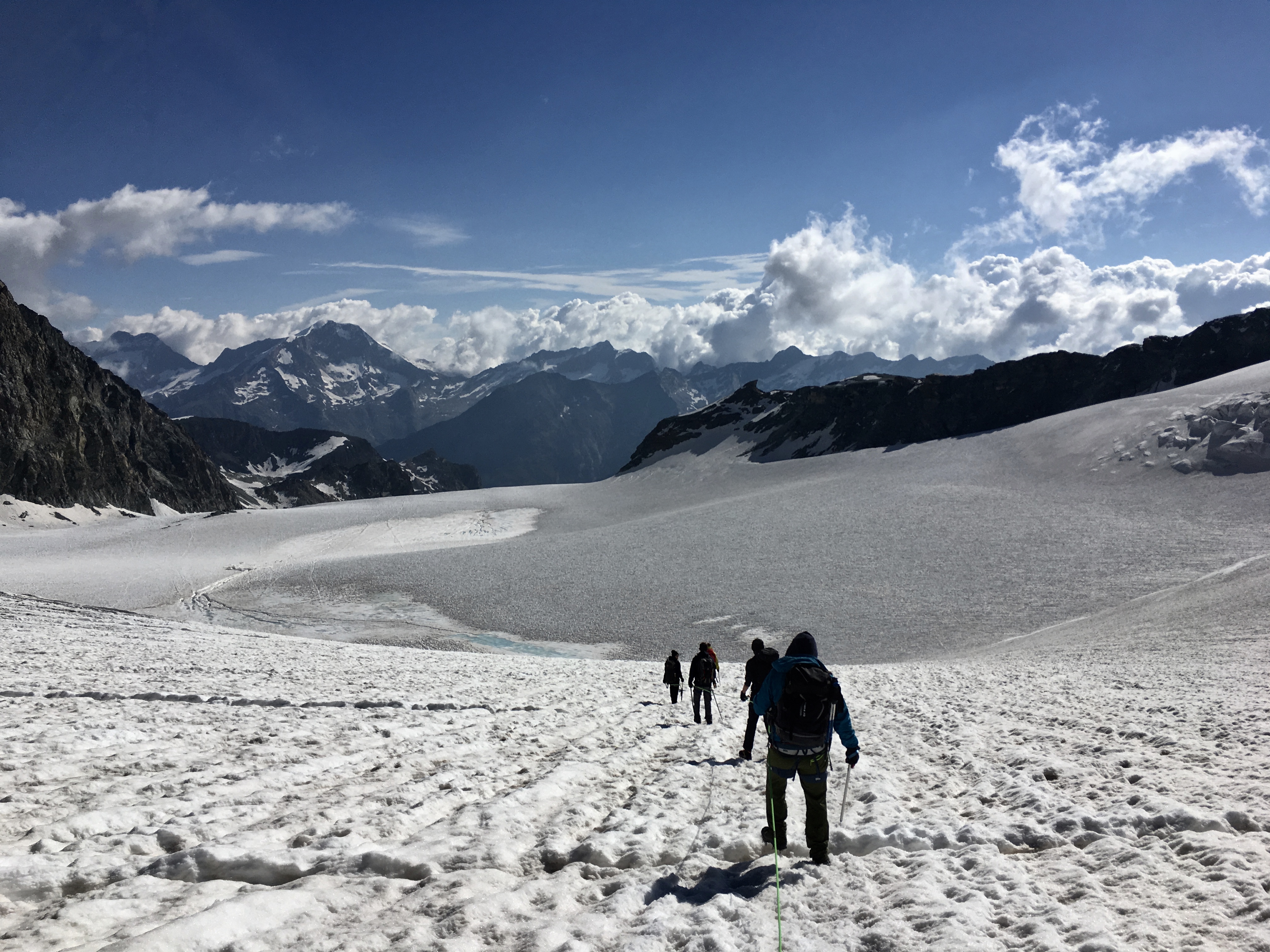

Glaciers in the spotlight: Footsteps on ice: Memories of glaciers and change
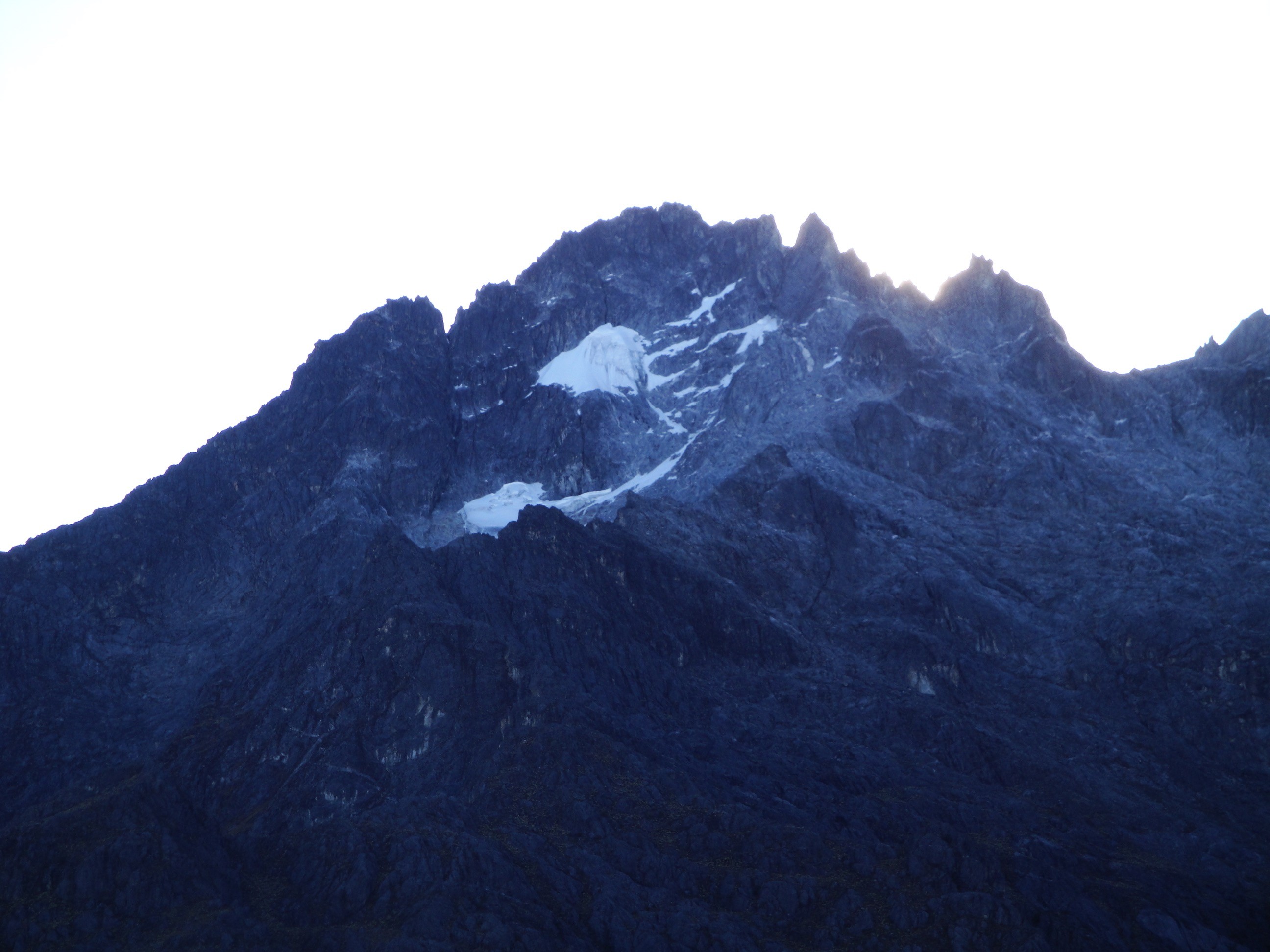

Glaciers in the spotlight: Glacier Life
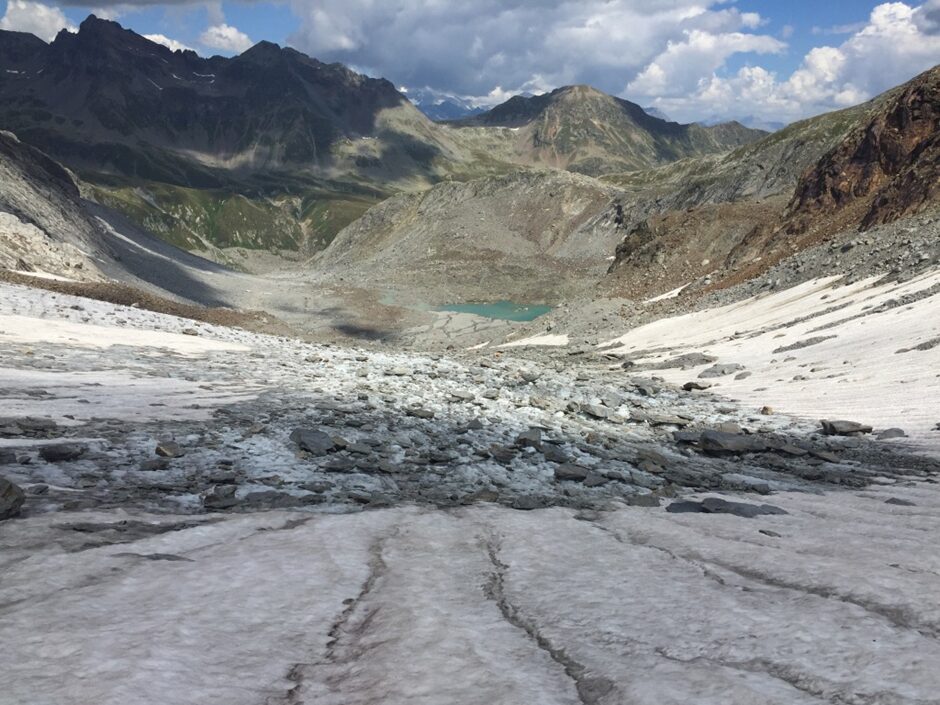

Comments
There is no contentYou must be logged in to reply.