New Infographic Illuminates the Crisis and Cultural Value of Andean Glaciers





Summary
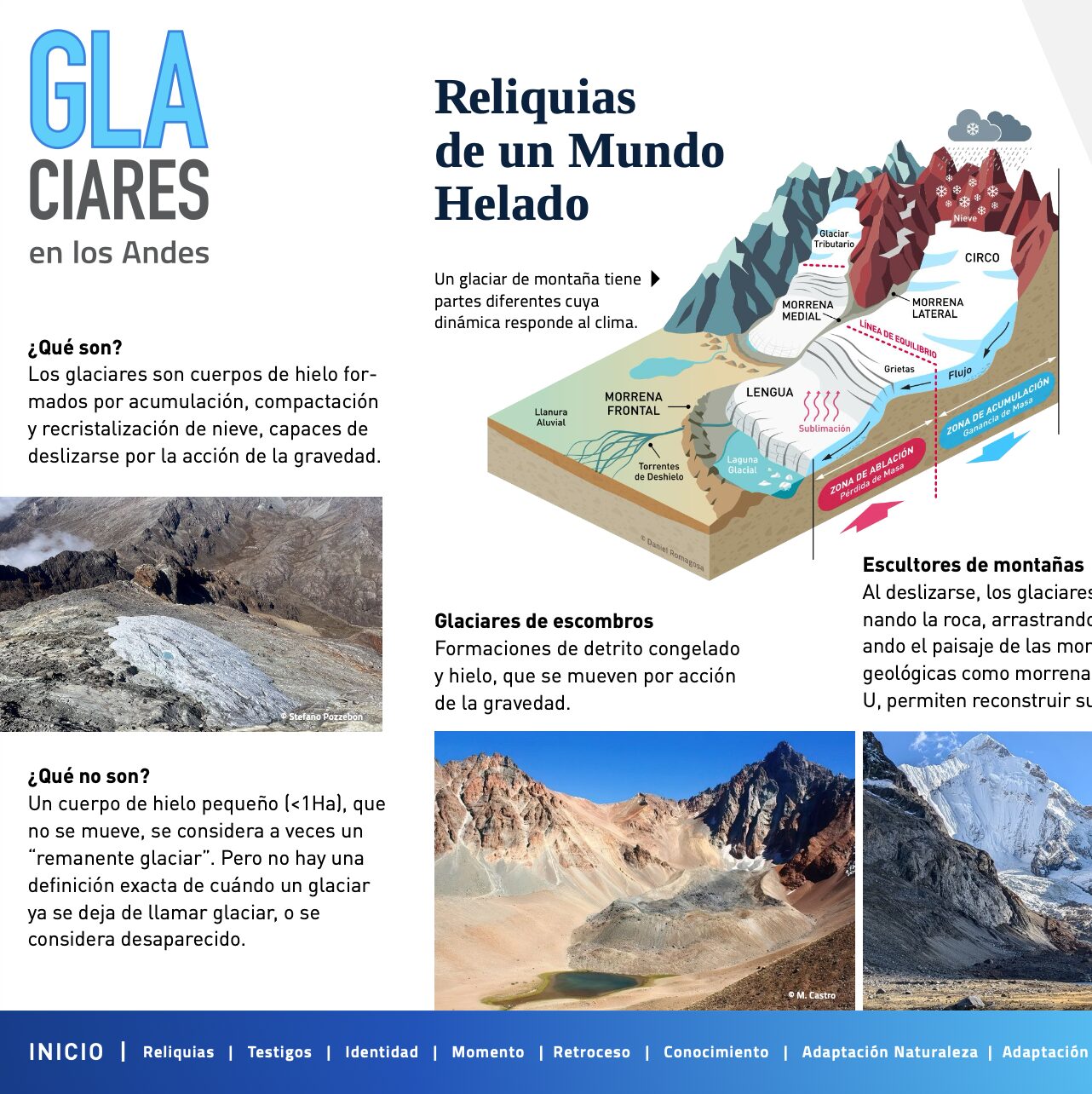
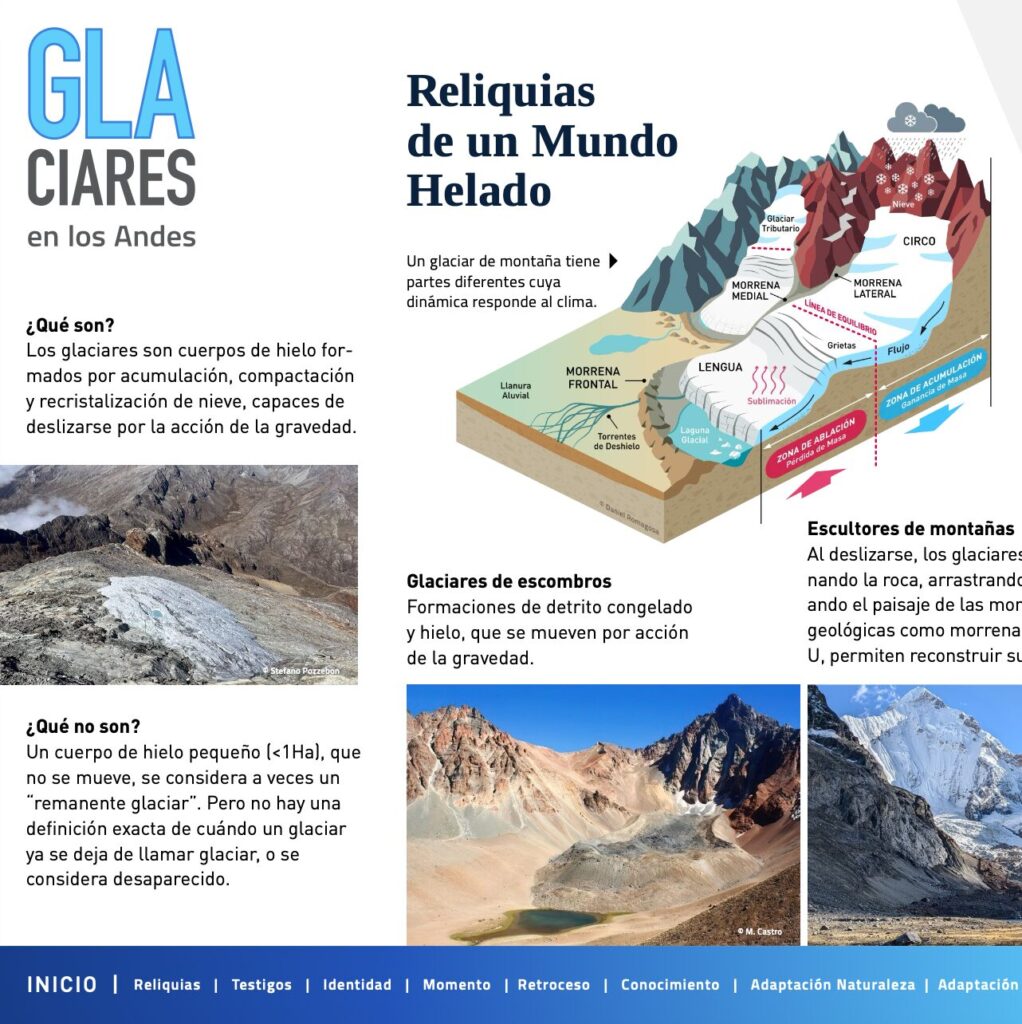
This International Year for the Conservation of Glaciers, and coinciding with the celebration of Mountain Day, the Andean Mountain Initiative (AMI) has released a vital new resource: the fifth installment of its “Infografías de los Andes” series, titled “Glaciers in the Andes.”
This article is an abridged version of the original text, which can be downloaded from the right-hand column. Please access the original text for more detail, research purposes, full references, or to quote text.
Introduction
This publication offers a graphical and comprehensive overview of the current state of Andean ice caps, which stand as crucial witnesses to the region’s rapidly changing climate. The infographic highlights advancements in knowledge, provides evidence of the profound connection between glaciers and Andean cultural identity, and outlines the urgent challenges presented by their accelerated retreat.
Developed with the support of the CONDESAN-COSUDE “Adaptation at Altitude-Andes” program, the infographic draws key information from the latest edition of the “Regional Dialogues on integral management in the Andean mountains,” a series of events that this year focused on “Knowledge, governance, and adaptation in the face of glacial retreat in the Andes.” It synthesizes the valuable work of glacier and mountain ecosystem research and monitoring institutions across Andean countries.
Challenge and Connection: The Value and Vulnerability of Andean Glaciers
The infographic addresses various critical aspects, from glacier formation and their current precarious situation to the fundamental role they play in the Andean region:
- Identity and Culture: Glaciers are an integral part of Andean identity, deeply interwoven with traditions, customs, and ways of life.
- Water Supply: While their influence on water supply varies along the cordillera—being less significant in the Northern Andes and vital for dry areas and the Southern Andes—their loss has direct and severe implications for regional water security.
- Ecosystems in Transformation: The infographic illustrates examples of retreat across seven glaciers in Andean countries and maps out the potential consequences. These include new risks of floods and landslides, changes in high-mountain ecosystems, and transformations in livelihoods like tourism and mountaineering.
Knowledge and Action in the Andes
The new resource emphasizes the vital role of research institutes in producing fundamental knowledge essential for climate planning and action. Notable contributions highlighted include the comprehensive glacier inventories compiled by AMI member countries, as well as the results of key studies on primary succession at glacier retreat fronts.
Crucially, the infographic presents a series of concrete adaptation measures that society can adopt. These include:
- Promoting sustainable tourism practices.
- Protecting mountain biodiversity.
- Stressing the urgent need to update existing legislation concerning glacier protection.
Finally, the publication underscores the pivotal role of mountain governance platforms in driving the necessary systemic changes to ensure the conservation of the planet’s remaining glaciers.
A Call for Adaptation and Global Mitigation
The message is clear: glaciers are disappearing, transforming essential landscapes and cultural values. However, there is a path forward. Knowledge management and the immediate implementation of adaptation measures are urgent and common actions for countries across the Andean region.
Furthermore, climate models demonstrate that strict control of global greenhouse gas emissions can significantly impact the quantity of glacier ice that will remain at the end of the century.
This infographic is the latest in a series addressing the main thematic priorities of the Andean Mountain Initiative, which has previously published resources on Biodiversity in the Andes, Climate Change in the Andes, People of the Andes, and Water in the Andes. Each installment provides a snapshot of the Andean situation and the initiatives AMI member countries are undertaking to address the derived challenges.
Further resources
Adaptation Solutions: Climate Resilience in the Andes
Adaptation to climate change in the Andes

Adaptation to Climate Change in the Andes: gaps in understanding and opportunities for knowledge management

Comments
There is no contentYou must be logged in to reply.