
Community-based participatory approach for Bugyal (Alpine rangeland) restoration in Uttarakhand, India

Summary
AI was used to support the structuring, editing, and language refinement of this solution. The substantive content was provided and verified by the contributor. Before publication, every solution is always read, edited and checked by our team of editors to make sure it is clear, accurate and useful.
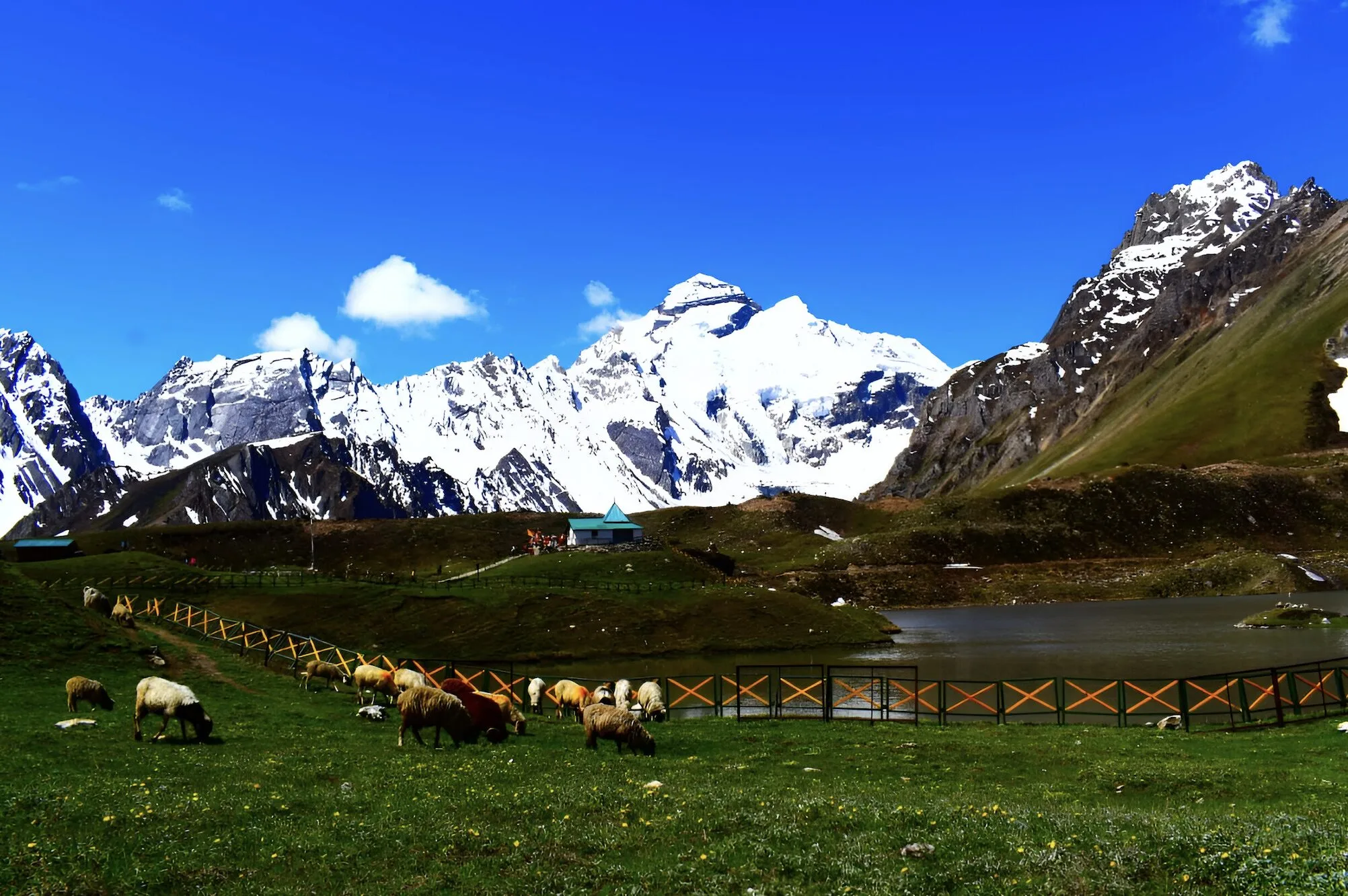
The Alpine pasture land (locally known as Bugyal in Uttarakhand) is an important, unique ecosystem. Bugyal are rich in biodiversity and provide essential ecosystems services in the mountain landscape. Bugyal occur between the tree line (above 3000m) and snowline (4500m) in the high-altitude areas of Himalaya and provide vital resources for pastoral communities, livestock grazing, and variety of high value medicinal plants for their livelihood.
There are 82 major Bugylas in the Uttrakhand, spread over about 8524 sq.km area (comprising about 24% geographical area of the state). They host several endemic and rare, endangered and threatened (RET) species of plants like Atis (Aconitum heterophyllum), Spikenard or Jatamansi (Nardostachys jatamansi), Salampanja or Hathazari (Dactylorhiza hatagirea), Kutki (Picrorhiza kurrooa), Gadraiyan (Angelica glauca), and the Caterpillar Fungus cordyceps or Yartsa Gumbu (Ophiocordyceps sinensis); and several important faunal species like charismatic Snow leopard (Unica unica), bharal (Pseudois nayaur), Himalayan thar (Hemitragus jemlahicus) etc. However, these rangelands face significant threats from anthropogenic activities – namely, overgrazing, resource extraction, and habitat degradation, which are further aggravated by climate change. These pressures endanger not only the biodiversity but also the traditional pastoral lifestyle that has sustained these rangelands for centuries.
To address these challenges, a community-based approach to conservation and restoration has emerged as a promising best practice in Uttarakhand, India. This solution describes this approach and combines the best practices from two successful initiatives (i) Conservation and sustainable utilization of resources in the Bugyals of Kailash Sacred Landscape of Pithoragarh district and (ii) Eco-restoration, conservation, and management of the Dayara-Bugyal landscape in Uttarkashi district.

Overview
- Location:
- Implementation sites:
-
- Single country
- Multiple locations
- Mountain region:
-
Himalayas
- Site locations:
-
Two sites within Uttarakhand, India: (i) Kailash Sacred Landscape (KSL) — Pithoragarh and part of Bageshwar district and (ii) Dayara Bugyal, Uttarkashi district.
Kailash Scared Landscape (KSL) – a transboundary region that covers an area of 31,175 sq.km of China, India, and Nepal. KSL covers 27% of the total area of the landscape, with the Indian part comprising an area of 7,120 km2 extending to cover most of the district Pithoragarh (6,826 km2) and small portion of the adjacent district of Bageshwar (294 km2) in the State of Uttarakhand.
Dayara Bugyal, Uttarkashi – the Dayara alpine pasture land, popularly known as Dayara Bugyal is located at an altitude of approximately 3501 meters in Uttarkashi district, Uttarakhand. It covers an area of 3.38 sq.km
- Solution scale:
- Ecosystem type(s):
- Solution type(s):
- Other Solution(s) type(s):
-
- Governance; Livelihood diversification
- Climate impact(s) addressed:
- Climate impact time-scale(s):
- Main benefit associated with the solution:
- Co-benefit(s) associated with the solution implementation:
- Implementation timeline:
-
- 2010
- Sendai targets:
-
-

- SDGs:
-
-






Solution details
Main beneficiaries & outcomes
Economic outcomes and benefits:
- Cost-effectiveness – by engaging local communities and utilization of locally available low cost material (pine needle, bamboo, coir net), the interventions minimize costs associated with labor and materials.
- Income generation – restoration projects in the Bugyals have promoted alternative livelihoods such as the cultivation of high-value medicinal plants and development of responsible ecotourism. This diversification has provided new income opportunities for local communities, reducing their dependency on overgrazing and unsustainable resource extraction. 40-50 local villagers have also generated income as a labour in Dayara Bugyal restoration activities.
- Market access – the cultivation of high value medicinal plants (Picrorrhiza kurroa, Saussurea costus, Aconitum heterophyllum, Angelica glauca, Allium stracheyi) and ecotourism have created opportunities for local communities to access niche markets.
- Resource efficiency – rotational grazing systems and eco-friendly soil erosion control measures (e.g., biodegradable coir-geotextile mats, pine needle check dams) have improved resource efficiency by optimizing pasture use and preventing land degradation.
Ecological and environmental outcomes and benefits:
- Biodiversity conservation – community involvement in restoration activities like planting native species and medicinal plants helped in the conservation of endangered flora (Picrorrhiza kurroa, Aconitum heterophyllum, Saussurea costus, Podophyllum hexandrum, Angelica glauca, Dactylorrhiza hatagirea, Carum carvi). Regulation of grazing and tourism activities also promoted native vegetation regeneration. These efforts have enhanced overall biodiversity in the Bugyals.
- Soil and water conservation – eco-friendly techniques like coir mats and pine needles for check dams as well as planting native species have stabilized the soil and reduced runoff, improving water retention and quality.
- Pollution reduction – managing tourism through controlled visitor numbers and shifting night camping to nearby villages has significantly reduced solid waste and pollution in the Bugyals.
Social outcomes and benefits:
- Gender and social inclusion – the best practices have actively involved local communities, particularly women and marginalized groups, ensuring equitable participation in decision-making processes and benefit-sharing.
- Community engagement – the formation of committees like the Joint Forest Management Committees (JFMCs) and Dayara Bugyal Conservation Committee has fostered strong community engagement. Training programs also empowered villagers with restoration techniques, medicinal plant cultivation and eco-tourism skills.
- Health and well-being – improved bugyal conditions and sustainable livelihood options have positively impacted the health and well-being of the local populations. Reduced soil erosion and cleaner water supply have also contributed to better public health outcomes.
- Cultural preservation – promotion of local festivals and the transhumance lifestyle have highlighted the cultural significance of Bugyals and also supported cultural preservation of the landscapes.
Climate outcomes and benefits:
- Mitigation – the restoration of vegetation and soil stabilization efforts contribute to carbon sequestration, helping to mitigate the impacts of climate change.
- Adaptation – adaptive management practices, such as rotational grazing and alternative livelihoods, have increased the resilience of local communities to climate variability.
- Climate resilience – these best practices enhanced the overall climate resilience of the Bugyals by promoting biodiversity conservation, livelihood generation and sustainable land management. This resilience is crucial for maintaining the ecological functions of these high-altitude rangelands in the face of changing climatic scenarios.

Planning and implementation
i) Conservation and sustainable utilization of resources in the Bugyals of Kailash Sacred Landscape
The KSL provides fodder and other biomass resources for various kinds of migratory pastoralism – traditionally one of the most important livelihood strategies in the landscape. Despite the crucial role of pastoralism in the region, there is no government institution or policy at the national level dedicated solely to managing pastoral issues. In Uttarakhand, the Revenue and Forest Departments are mainly responsible for pasture development. In KSL-India, rangelands are now managed largely through the institution of van panchayats. Van panchayats are governed by the local communities and manage common property resources (CPRs) of the landscape. Migratory herders in KSL-India generally have traditional and statutory grazing rights in the van panchayats or Community Forest User Groups (CFUGs) of their home villages. When moving through rangelands of other villages, they pay a nominal fee per animal to the local van panchayat committee/CFUG.
However, in recent years overgrazing and rapid population growth have led to grassland degradation, soil erosion, and biodiversity loss. Keeping in view of the above, local/pastoral communities/, forest department and other stakeholders, through wider consultation, established Joint Forest Management Committees (JFMCs) for participatory management of Bugyals.
There are five major high altitude pasture areas, situated in the Byans Valley, Darma Valley, Pancha Chuli Valley, Ralam Valley, and Johar Valley in the KSL-India. Each migratory shepherd group consists of 3-5 males, along with three to four horses/mules and three to four dogs. Rotational grazing in Bugyal is managed through a detailed system of pasture division and allocation by the JFMCs. Each pasture is divided into smaller grazing grounds/subplots based on topography and altitude. The grazing site is periodically rotated by moving them through these subplots in sequence, which prevents overgrazing of any single area. The Bhotiya traditional custom allowed transit shepherds the use of these Bugyals for one night only to avoid overgrazing. The village committee play key roles in this process and maintains records of the number of sheep on each pasture and periodically reassesses the carrying capacity by gathering information on the forage conditions from the shepherds. They also educate the pastoral communities about the importance of Bugyals, the threats they face, and the benefits of sustainable management. This system supports over 40,500 sheep and goats and 1,400 cattle and horses in KSL-India, highlighting the economic importance of these rangelands.
The forest department – with the support of local communities – is involved in restoration activities at Khaliya and Chipla Kedar Bugyals. GeoJute techniques have been used to control soil erosion at Chipla Kedar Bugyals and the number of daily visitors has been restricted for their conservation and restoration. In addition to this, the forest department and local communities have planted native species such Aconitum heterophyllum, Angelica glauca, Picrorhiza kurroa, Podophyllum hexandrum, Saussurea costus, Allium stracheyi , Rheum australe, Carum carvi, Hippophae rhamnoides, Hippophae tibetana, Juniperus macropoda near the villages of Bugyals. The forest management committee imposed complete ban on disposal of plastic items like bottles, plastic bags/wrappers, etc. in the Bugyals by the tourist and pastoral community.

ii) Eco-restoration, conservation and management of the Dayara-Bugyal landscape
The Dayara alpine pasture land serves as a habitat for several Himalayan wildlife species, such as the Musk Deer, Brown Bear, Himalayan Thar, and Monal Pheasant. However, increasing anthropogenic pressures, including a significant rise in tourism, overgrazing, and climate change, have led to substantial ecological degradation in this Bugyal. Head water erosion and gully formation, observed by researchers and forest department in the Dayara bugyal, have raised serious concerns about protecting this fragile ecosystem.
Recognizing the urgent need for conservation of Dayara Bugyal, the Uttarakhand Forest Department with the support of local communities launched an ambitious eco-restoration project. Villagers from nearby areas like Barsu and Raithal were engaged in the restoration efforts through the formation of Dayara bugyal Conservation Committee comprising the member of village Biodiversity Management Committees (BMCs). The committees helped ensure sustainable practices both in the alpine meadows and in the villages.
The restoration intervention for eroded bugyal land utilized eco-friendly materials such as biodegradable coir-geotextile mats, pine needles for check dam preparation, and bamboo to combat soil erosion and aid vegetation regeneration. The team used eco-friendly techniques to treat the soil erosion in more than 6,600 square meter area of this bugyal. Villagers received training from the Forest Department, allowing them to effectively implement the eco-restoration techniques. Plantation of native species Iris kumaonensis and Rosa sericea also carried out for land rejuvenation and biodiversity conservation in the landscape. This collaborative effort not only revived the meadow’s vegetation but also reduced the occurrence of forest fires in lower altitudes by decreasing dry pine needle litter. To address overgrazing, the grazing land for livestock was strategically shifted from Dayara to areas like Lambidhar, with strict regulation of livestock numbers. This significantly reduced the number of unattended cattle, giving the meadow an opportunity to recover.
Tourism management was another critical aspect of the program. The forest department introduced measures to control the number of visitors, aligning with the directive of the Hon’ble High Court of Uttarakhand orders 2014 and 2018 to limit tourists in Bugyal to 200 per day. Forest department permission is required to visit Dayara Bugyal by depositing a nominal fee of INR 100 per member (for Indians) and 200 per member (for foreigners). Night camping was completely banned in the Dayara bugyal and shifted to nearby villages like Ghuyin and Barnala. This not only helped preserve the meadow’s integrity but also promoted sustainable eco-tourism. Villagers were trained as tour guides, and homestays were encouraged, providing tourists with an authentic experience while ensuring sustainable practices.

Finance
The government and non-governmental organisations provided financial support for the solution.
Innovation
Innovative components of solutions are as follows:
- Integration of traditional ecological knowledge (customary one-night grazing rule, grassland rotation system) with modern eco-restoration engineering (biodegradable coir-geotextile mats, pine-needle and bamboo check dams, geojute).
- Linking conservation directly to alternative livelihoods (high-value medicinal plant cultivation, ecotourism, homestays) so incentives reduce pressure on the resource itself.
- Multi-tier community institutions (JFMCs, Dayara Bugyal Conservation Committee formed from village BMCs) enabling participatory governance.
- Regulatory backing via judicial directive (Uttarakhand High Court orders 2014/2018 capping visitors at 200/day) combined with community-enforced tourism management.
Performance evaluation
Indicators of restoration success in the Bugyals of KSL-India include increased vegetation cover and diversity of native species, improved soil health, reduced erosion through effective grazing management and community engagement, enhanced biodiversity, and successful establishment of alternative livelihoods, such as medicinal plant cultivation and ecotourism.
Indicators of restoration success in Dayara Bugyal comprise the regeneration and recovery of native vegetation and soil stabilization through the use of eco-friendly techniques such as biodegradable coir-geotextile mats.
Long term project sustainability and maintenance
The long-term sustainability and maintenance of the solution is supported by:
- Ongoing community ownership through standing committees (JFMCs, Dayara Bugyal Conservation Committee, Van Panchayats) rather than one-off project intervention.
- Capacity building: villagers trained by the Forest Department in restoration techniques and as tour guides, embedding skills locally.
- Diversified income streams (medicinal plants, ecotourism, homestays) that give communities a continuing economic stake in maintaining the Bugyal’s condition.
- Institutionalized monitoring indicators (vegetation cover, soil health, species diversity) mentioned as markers of restoration success.
Capacities for design and implementation
Knowledge
The conservation of KSL Bugyals highlighted the crucial role of community participation. By integrating traditional pastoral knowledge with sustainable management practices, local communities, research institutions, forest department, NGO, and other stakeholders have worked together for the conservation and management of Bugyals of KSL-India. The success of these initiatives demonstrates the power of collaborative efforts in achieving ecological balance and ensuring the well-being of pastoral communities.
Moreover, in the Dayara Bugyal, effective community engagement and training facilitated sustainable grazing practices and eco-tourism management. The local communities, empowered by their role in the conservation efforts, have seen the benefits of their hard work. The meadow’s restored vegetation and stabilized soil have brought renewed pride and purpose to the villagers.
Technology
Technologies, such as soil-erosion control techniques (coir-geotextile mats, geojute, pine-needle/bamboo check dams) and geo-referencing/mapping, were used to implement the solution.
Political / Legal
The solution was supported by High Court-mandated visitor caps, as well as a Forest Department permit and fee system (₹100 Indian/₹200 foreign visitors) for entry regulation.
Institutional
Successful implementation required collaboration and coordination between FMCs, Village BMCs, Van Panchayats/CFUGs, and the Forest Department.
Socio-cultural
The solution integrated traditional customary grazing norms (one-night stay rule, grazing point rotation) and supported community festivals (Hill Jatra, Kandali, Nanda Ashtami) tied to landscape conservation. Grazing fees were also negotiated between migratory herders and host village committees.
Outlook & Scalability
Barriers and adverse effects
Despite the success of community-based conservation efforts in Bugyals of Uttarakhand Himalaya, the following challenges persist:
- Bugyals are facing challenges from overgrazing and habitat degradation due to continued population pressure and insufficient regulation.
- Climate change is also exacerbating challenges in the high altitude rangelands, primarily due to unpredictable weather patterns that disruption traditional pastoral practices.
- Mass tourism in the Himalayan region also pose several challenges for ensuring the ecological integrity of bugyals.
- Active engagement and synergy building with stakeholders poses difficulties, as well as the integration of traditional knowledge with modern conservation techniques.
- Limited financial resources and institutional support also create hindrance for large-scale implementation and the sustainability of alpine pasture conservation and management.
Potential for upscaling and replication
The community-based participatory approach to restoring Bugyals in Uttarakhand combines local traditional knowledge, sustainable resource management, establishment of effective monitoring and regulatory mechanisms, and collaborative governance to address the ecological and socio-economic challenges facing these unique and fascinating biomes of Himalaya. These can be replicated in other regions with similar ecosystems and challenges across the Hindu Kush Himalayan (HKH) region. By following the above outlined steps, other regions can replicate and benefit from these best practices, ensuring the preservation and sustainable use of alpine rangelands in the Himalayas.
- Reviving traditional Himalayan water management systems: Climate-resilient adaptation through Zing and Kul systems in the Indian Himalayas
- Green-Ag: Transforming Indian Agriculture for Global Environmental Benefits and the Conservation of Critical Biodiversity and Forest Landscapes
- Climate smart actions and strategies in north western Himalayan region for sustainable livelihoods of agriculture-dependent hill communities
- Restoration, recovery and rehabilitation with a participatory approach in the Tota Lake Basin, Colombia
Comments
There is no contentYou must be logged in to reply.